How to Choose the Right Power Tool for Your Project

Power tools make projects easier by helping you to do the work faster and with more precision. But with so many different types of power tools on the market, it can be difficult to know which one is right for your project.
In this article, we will guide you through the process of choosing the right power tool for your specific needs. We will discuss the different types of power tools available and provide tips on how to select the one that is best suited for your project.
We will also provide a few examples of projects that can be completed with each type of power tool. So whether you are a beginner or an experienced DIYer, we have you covered.
What Are Your Project Goals?
When choosing the right power tool for your project, it’s essential to first consider your project goals. This will help you determine the type and size of the power tool you need, as well as the specific features and capabilities required.
- Consider the type of project: Different projects require different power tools. For example, if you’re working on a woodworking project, a router or a saw may be more suitable. On the other hand, if you’re doing a home improvement project that involves drilling holes or driving screws, a drill would be a better choice.
- Consider the size of the project: The size of your project also plays a role in selecting the right power tool. For smaller projects, a compact and lightweight tool may be sufficient. However, for larger and more demanding projects, you might need a more robust and powerful tool to handle the workload effectively.
- Consider the material: The material you’ll be working with is another important factor to consider. Some power tools are designed specifically for certain materials, such as metal or wood. Make sure to choose a tool that is appropriate for the material you’ll be working with to ensure accurate and efficient results.
Consider the Type of Project
When choosing the right power tool for your project, it’s important to consider the type of project you’ll be working on. Different power tools are designed for specific tasks, so understanding the requirements of your project will help you make an informed decision.
- Consider the complexity: Is your project a simple DIY task or a more intricate woodworking project? The level of complexity will determine the type of power tool you’ll need. For example, if you’re working on a small home improvement project like hanging shelves, a drill with basic features should suffice. However, if you’re undertaking a larger project like building furniture, you may need a more specialized tool such as a router or saw.
- Consider the materials involved: The materials you’ll be working with also play a role in selecting the right power tool. For softer materials like wood or plastic, a power drill or sander may be suitable. However, for tougher materials like metal or concrete, you may need a more heavy-duty tool, such as a powerful drill or angle grinder.
- Consider the scale of the project: The size of your project should also be taken into account. For smaller projects, handheld power tools like cordless drills or palm sanders may be sufficient. However, larger projects may require more robust tools like table saws or belt sanders.
By considering the type of project you’ll be working on, along with the complexity, materials, and scale involved, you can narrow down your choices and select the right power tool for the job.
Consider the Size of the Project
When choosing a power tool for your project, it’s important to consider the size of the project at hand. The size of your project will determine the type and capabilities of the power tool you’ll need to accomplish the task efficiently. Here are some key factors to consider:
- Scope of the project: Assess the scale and complexity of your project. Is it a small DIY task or a large-scale construction project? Understanding the project’s size will guide you in selecting the appropriate power tool.
- Workload requirements: Consider the workload that the power tool will need to handle. Will you be using it for light, occasional use or heavy-duty tasks? This will determine the power and durability requirements of the tool.
- Tool capacity: Evaluate the tool’s capacity to handle larger tasks. Some power tools may be designed for small to medium-sized projects, while others are specifically built for heavy-duty applications. Ensure that the tool you choose matches the scale of your project.
- Maneuverability: For smaller or intricate projects, it’s essential to choose a power tool that is lightweight and easy to maneuver. This will allow for greater precision and control, especially in tight spaces.
- Time efficiency: Consider the time it will take to complete your project. Smaller tools may be more efficient for quick tasks, while larger tools can help speed up larger projects.
By carefully considering the size of your project and matching it with the appropriate power tool, you can ensure a smooth and successful outcome.
Consider the Material
When choosing the right power tool for your project, one important factor to consider is the material you will be working with. Different materials require different types of power tools to achieve optimal results. Here are some key considerations:
- Hard or Soft: Determine whether the material is hard or soft. Hard materials like metal or concrete require powerful tools such as rotary hammers or angle grinders. On the other hand, soft materials like wood or plastic can be tackled with tools like drills or sanders.
- Fragile or Durable: Consider the durability of the material. Fragile materials, like glass or ceramic, require more precision and delicate handling. In this case, tools like diamond drills or oscillating multi-tools with appropriate attachments can be a good choice. For more durable materials, tools like saws or routers may be more suitable.
- Thickness: Take into account the thickness of the material. Thicker materials may require more power or specific cutting techniques. For example, if you are working with thick boards, a powerful circular saw or a reciprocating saw would be ideal.
It’s essential to select a power tool that matches the characteristics of the material you will be working with. This ensures efficient and accurate results while minimizing the risk of damage or accidents.
Power Tool Types
When it comes to choosing the right power tool for your project, it’s important to have a good understanding of the different types available. Each power tool is designed for specific purposes and has its own unique features. Here are a few common types of power tools that you should consider:
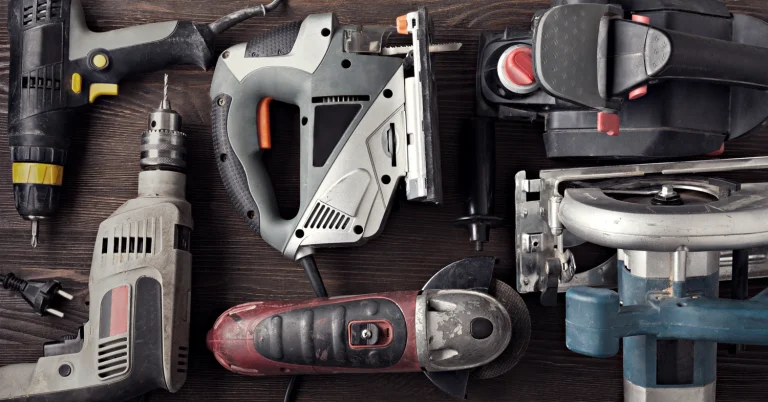
- Drills: Drills are versatile tools that can be used for a variety of tasks such as drilling holes, driving screws, or even mixing paint. They come in both corded and cordless models, with cordless drills offering greater mobility.
- Sanders: Sanders are essential for achieving smooth and polished surfaces. They are perfect for removing paint, rust, or any other unwanted material from your workpiece. Belt sanders, orbital sanders, and detail sanders are among the most common types of sanders.
- Routers: Routers are primarily used to hollow out an area in a workpiece, creating decorative edges or cutting patterns. They are commonly used in woodworking projects and offer a high level of precision.
- Saws: There are various types of saws available for different cutting needs. Circular saws are ideal for making straight cuts, while jigsaws are great for making curved or intricate cuts. Reciprocating saws and miter saws are also popular choices.
It’s important to consider the specific requirements of your project when choosing a power tool. Think about the tasks you need to accomplish, the materials you’ll be working with, and the level of precision or power required. This will help you narrow down your options and select the right tool for the job.
Drills
Drills are a versatile power tool that can be used for a variety of tasks. Whether you’re drilling holes or driving screws, choosing the right drill is crucial for the success of your project. Here are some factors to consider when selecting a drill:
- Power: Consider the power of the drill. Higher voltage drills offer more power and are suitable for heavy-duty tasks, while lower voltage drills are better for lighter tasks. Look for a drill with adjustable speed settings to match the power to your specific needs.
- Chuck Size: The chuck size determines the maximum diameter of the drill bit it can hold. Smaller chuck sizes are suitable for lighter tasks, while larger chuck sizes accommodate larger and more robust drill bits.
- Battery Life: If you opt for a cordless drill, consider the battery life. Look for drills with long-lasting batteries to minimize interruptions during your work. Lithium-ion batteries are known for their longer runtimes and faster charging times.
- Weight and Ergonomics: A lightweight and ergonomic drill will make your job more comfortable, especially for prolonged use. Look for a drill that fits well in your hand, has a comfortable grip, and is well-balanced.
Sanders
Sanders are versatile power tools that are commonly used in woodworking and furniture refinishing projects. They are designed to smooth out rough surfaces, remove old paint or varnish, and prepare materials for finishing. When choosing a sander for your project, consider the following factors:
- Types of Sanders: There are different types of sanders available, each suited for specific tasks. Some common types include:
- Belt Sanders: These are powerful and efficient for heavy-duty sanding tasks, such as removing a lot of material quickly or sanding large flat surfaces.
- Random Orbital Sanders: These combine the actions of a belt sander and an orbital sander, providing both aggressive material removal and fine finishing capabilities.
- Orbital Sanders: These are great for finishing work, as they produce a smooth, swirl-free finish on wood surfaces.
- Detail Sanders: As the name suggests, these are used for sanding in hard-to-reach areas or detailed work, such as sanding corners or edges.
- Sanding Speed and Power: Consider the speed and power of the sander. Higher sanding speeds can help you complete the task more quickly, but may require more skill to prevent damage. Ensure the motor has enough power to handle your desired sanding applications effectively.
- Dust Collection: Sanders can produce a significant amount of dust during operation. Opt for a sander with a built-in dust collection system or a compatible dust extraction attachment. This helps keep your work area clean and reduce the risk of inhaling fine particles.
- Comfort and Ergonomics: Look for features that enhance comfort and ease of use, such as a comfortable grip, ergonomic design, and vibration reduction technology. This will help reduce fatigue during long sanding sessions.
- Reviews and Recommendations: Before making a purchase, read reviews and seek recommendations from experts or experienced users. This can provide valuable insights into the performance, durability, and reliability of different sander models.
Remember to always wear proper safety gear, including goggles, a dust mask, and ear protection when using a sander. Additionally, carefully read and follow the manufacturer’s instructions for safe operation. Finally, store your sanders in a dry and secure location to ensure their longevity.
Routers: A Must-Have Power Tool for Precision Woodworking
When it comes to precision woodworking, a router is an indispensable power tool that can take your projects to the next level. Whether you’re a professional carpenter or a DIY enthusiast, having a router in your toolkit can open up a world of possibilities. Here’s all you need to know about routers and why they should be a part of your power tool collection.
- Versatile Cutting Options: Routers are known for their ability to create intricate and precise cuts in various materials, especially wood. With a wide range of router bits available, you can achieve different types of cuts, such as rabbets, dadoes, and chamfers. From shaping edges to creating decorative patterns, routers offer exceptional versatility to bring your woodworking ideas to life.
- Different Types of Routers: There are two main types of routers to consider: plunge routers and fixed-base routers. Plunge routers allow you to adjust the cutting depth while the router is in motion, making them ideal for creating grooves, mortises, and intricate designs. On the other hand, fixed-base routers offer stability and accuracy, making them perfect for consistent edge routing and trimming work.
- Considerations When Choosing a Router: When selecting a router, there are a few factors to keep in mind. Firstly, consider the power of the router. A higher horsepower router will handle tougher materials and maintain consistent speed under load. Secondly, think about the ergonomics and weight of the tool. Look for a router that feels comfortable in your hand and has features like soft-grip handles for reduced fatigue during long hours of use. Lastly, check the compatibility and availability of router bits. Ensure that the router you choose has a wide selection of bits available to accommodate your woodworking needs.
- Safety First: As with any power tool, safety should be a top priority. When using a router, always wear the appropriate safety gear, including safety glasses, ear protection, and a dust mask. It’s crucial to read the instruction manual thoroughly before operating the router and familiarize yourself with its controls and safety features. Lastly, store the router in a secure and dry place when not in use, away from the reach of children.
Saws
Saws are versatile power tools that can be used for a variety of cutting tasks. There are different types of saws available for different purposes. Here are some key points to consider when choosing the right saw for your project:
- Circular Saws: These are popular for making straight cuts in various materials, including wood, plastic, and metal. They are handheld and have a circular blade that spins rapidly to make precise cuts. Circular saws are great for projects that require a lot of straight cuts or cutting large sheets of material.
- Jigsaws: Jigsaws are versatile tools that can make both straight and curved cuts. They have a reciprocating blade that moves up and down rapidly, allowing for intricate cuts with ease. They are commonly used for cutting curves, bevels, and irregular shapes. Jigsaws are ideal for woodworking projects and cutting out patterns.
- Miter Saws: Miter saws are specialized tools designed for making accurate crosscuts and miter cuts at various angles. They are commonly used for framing, trim work, and furniture making. Miter saws can be stationary or portable, and they offer precise and clean cuts.
- Table Saws: Table saws are powerful tools that are mounted on a table, allowing for precise and straight cuts. They have a circular blade that protrudes through the table. Table saws are perfect for large woodworking projects and cutting large pieces of material. They offer stability and accuracy.
When choosing the right saw, consider the complexity of your project, the type of cuts you need to make, and the material you will be working with. It’s also important to consider factors such as power, blade size, safety features, and ergonomics. By selecting the appropriate saw for your project, you can ensure efficient and accurate results.
Factors to Consider When Making Your Selection
When choosing a power tool for your project, there are several important factors to consider. These factors will help ensure that you select the right tool that meets your specific needs. Here are the key factors to keep in mind:
- Battery Life: One of the first factors to consider is the battery life of the power tool, especially if you are opting for a cordless model. You want a tool that can run for an extended period without needing frequent recharging. Look for power tools that offer long-lasting battery life to minimize interruptions during your work.
- Power: The power output of the tool is another crucial factor to consider. Different projects require different levels of power, so it’s essential to choose a tool that provides enough power for your specific tasks. For example, if you are working with hard materials or performing heavy-duty tasks, you’ll need a power tool with high horsepower or voltage.
- Weight: Considering the weight of the power tool is important, especially if you have long hours of work ahead. A lightweight tool can reduce user fatigue and make it easier to handle and maneuver. However, it’s crucial to find a balance because excessively light tools may lack the necessary robustness for certain projects.
- Ergonomics: Ergonomics plays a significant role in user comfort and safety. Look for power tools with ergonomic designs that fit well in your hand and have comfortable grips. A well-designed tool reduces strain and enhances control, allowing you to work more efficiently and with less risk of accidents or injuries.
Battery life
Battery life is a crucial factor to consider when choosing the right power tool for your project. Having a power tool with a long-lasting battery will ensure that you can work efficiently without interruptions. Here are some key points to keep in mind regarding battery life:
- Lithium-ion Batteries: Look for power tools that feature lithium-ion batteries. These batteries have a higher energy density, meaning they can hold more power and provide longer runtimes compared to other types of batteries. They also have a slower self-discharge rate, which means they retain their charge longer when not in use.
- Voltage: Check the voltage of the power tool’s battery. Higher voltage batteries generally provide more power and longer runtime. However, keep in mind that higher voltage batteries can also be heavier, so it’s important to strike a balance between power and weight depending on the nature of your project.
- Amp-Hour Rating: Consider the amp-hour rating of the battery. This rating indicates the capacity of the battery, or how long it can sustain a certain level of power. A higher amp-hour rating means longer runtime before the battery needs recharging.
- Additional Batteries: If you anticipate working on larger projects or for extended periods of time, it’s recommended to invest in additional batteries. This way, you can simply swap out the drained battery for a fully charged one and continue working without any downtime.
Power
Different projects have different power demands, and selecting the appropriate power tool can make all the difference. Here are some key points to keep in mind:
- Matching the Task: The first step in choosing the right power tool is evaluating the tasks you’ll be performing. Are you planning to work with hard materials like hardwood, metal, or concrete? Or will your projects involve lighter, more routine tasks? The answers to these questions will dictate the power level you need.
- Horsepower or Voltage?: Power tools come in various configurations, and one of the primary indicators of their power is either horsepower or voltage. For heavy-duty tasks such as cutting through thick materials or drilling into concrete, you’ll want a tool with high horsepower or voltage. This ensures that the tool can handle the load without straining or overheating.
- Consider the Battery: If you’re opting for cordless power tools, pay attention to the battery’s voltage and capacity. Higher voltage batteries generally deliver more power and longer runtimes, which can be crucial for jobs that require sustained use.
- Versatility vs. Specialization: It’s essential to strike a balance between versatility and specialization. While a high-powered tool can handle a wide range of tasks, it might be overkill for everyday, lighter jobs. Conversely, a low-powered tool might not cut it for heavy-duty projects.
Weight
Weight plays a crucial role when selecting the right power tool for your project. The weight of a power tool can significantly impact your ability to handle it comfortably over extended periods. A lighter tool is generally easier to maneuver and control, reducing the risk of fatigue or strain during use. It is particularly important to consider weight if you anticipate using the tool for prolonged periods or if your project involves overhead work.
When comparing power tool weights, keep in mind that heavier tools may offer more power, while lighter ones can be more convenient for smaller tasks or those requiring greater mobility. Ultimately, the ideal weight will depend on your personal preference and the specific demands of your project.
Here are a few considerations when it comes to weight:
- Compact and lightweight power tools are often recommended for DIY enthusiasts or beginners who are looking for more manageable options.
- If you anticipate heavy-duty or professional use, a slightly heavier tool may provide the necessary durability and power.
- For projects involving overhead work, look for power tools specifically designed to be lightweight and easy to handle in such situations.
It’s important to note that weight should not be the sole determining factor in choosing a power tool. You should also consider other aspects like battery life, power, and ergonomics to ensure the tool meets your needs effectively.
Remember, always test the weight and balance of a power tool before purchasing to gauge the level of comfort it offers during use.
Ergonomics
Ergonomics is a key factor to consider when choosing a power tool for your project. The comfort and ease of use can greatly impact your overall experience and productivity. Here are some important ergonomic considerations:
- Grip Design: Look for power tools with an ergonomic grip design that fits comfortably in your hand. A contoured grip with a non-slip surface can reduce fatigue and improve control.
- Weight Distribution: Consider how the weight of the tool is distributed. A well-balanced tool will feel more comfortable and reduce strain on your wrists and arms. Look for tools with the weight evenly distributed or with adjustable weight options.
- Handle Size and Shape: The handle should be the right size for your hand. A tool with a handle that is too small or too big can cause discomfort and make it challenging to maintain proper control. Additionally, a handle with a soft, cushioned grip can provide added comfort during prolonged use.
- Vibration Control: Power tools can generate vibrations that can lead to hand fatigue and discomfort. Look for tools with built-in vibration control mechanisms or consider using anti-vibration gloves to minimize the impact.
- Trigger Design: Consider the design and placement of the trigger. It should be easy to reach and operate without straining your finger. Look for tools with a variable speed trigger that allows you to control the tool’s speed more precisely.
Remember, ergonomics play a crucial role in preventing injuries and ensuring your comfort and safety while using power tools.
Safety Tips
When it comes to power tools, safety should always be a top priority. Here are some essential safety tips to keep in mind:
- Wear the proper safety gear: Before using any power tool, make sure to protect yourself by wearing appropriate safety gear. This includes safety glasses or goggles, ear protection, gloves, and a dust mask if needed. These protective measures can significantly reduce the risk of accidents or injuries.
- Read the instruction manual: Each power tool comes with an instruction manual that provides vital information on how to safely operate and maintain the tool. Take the time to thoroughly read and understand the manual before using the tool. This will ensure that you are using it correctly and avoiding any potential hazards.
- Familiarize yourself with the tool: Before using a power tool, it’s essential to get familiar with its features and functionalities. Take the time to learn how to properly handle the tool, adjust its settings, and use any safety features it may have. Understanding the tool’s capabilities and limitations can help prevent accidents and ensure more efficient and effective use.
- Store the tools properly: After using power tools, it’s crucial to store them safely. Keep them in a dry and secure location, away from children and pets. Use the provided storage cases or hang them on designated tool racks. Proper storage not only prolongs the life of the tools but also reduces the risk of accidents caused by mishandling or unauthorized use.
Remember, safety should never be compromised when using power tools. By following these safety tips, you can significantly reduce the risk of accidents and injuries while working on your projects.
Wear the proper safety gear
Safety should always be a top priority when using power tools. To ensure your well-being, it is crucial to wear the proper safety gear. Here’s a list of essential safety equipment you should have on when operating power tools:
- Eye Protection: “Eye injuries can occur when using power tools without wearing safety glasses or goggles,” says John Smith, a safety expert. Safeguard your eyes from potentially hazardous debris, sparks, or projectiles by wearing impact-resistant safety goggles.
- Hearing Protection: Power tools, such as drills and saws, emit high levels of noise that can damage your hearing. Protect your ears by using earplugs or earmuffs designed to reduce noise exposure.
- Respiratory Protection: Some power tools, like sanders or routers, generate dust or release harmful fumes. To prevent inhalation of hazardous particles or chemicals, use a respirator mask with appropriate filters.
- Gloves: When working with power tools, avoid potential cuts, scrapes, or burns by wearing sturdy gloves. Choose gloves that provide good grip and flexibility without compromising safety.
Remember, safety gear may vary depending on the type of power tool and the nature of your project. Always follow the manufacturer’s recommendations and guidelines for safety equipment specific to each tool.
Read the instruction manual
When it comes to using power tools, one of the most crucial steps you should take is reading the instruction manual. The manual provides essential information about the tool’s features, functions, and safety guidelines. It is a valuable resource that can help you understand how to operate the tool correctly and safely. Pay attention to any warnings or precautions mentioned in the manual. Familiarize yourself with the different parts and components of the tool. This will ensure that you use the tool effectively and minimize the risk of accidents or damage. Remember, each power tool may have its unique set of instructions, so it’s essential to read the manual thoroughly every time you use a new tool.
- Always consult the instruction manual before using any power tool.
- Reading the manual ensures that you use the power tool correctly and safely.
- Familiarize yourself with the different components and features of the tool by referring to the instruction manual.
Familiarize yourself with the tool
Before using any power tool, it is crucial to familiarize yourself with its features and functions. This will not only ensure your safety but also enhance your efficiency in completing the project. Here are some key steps to follow:
- Start with a small project: If you’re new to using a specific power tool, it’s a good idea to start with a small, simple project. This will allow you to practice and become comfortable with the tool’s capabilities before tackling larger, more complex projects.
- Practice proper handling: Hold the tool securely with both hands and maintain a firm grip at all times. Keep your fingers away from the moving parts, and never tamper with the safety features of the tool.
- Test the tool: Before using the tool on your project, do a test run on a scrap piece of material. This will allow you to gauge the tool’s performance, get a feel for its weight and balance, and make any necessary adjustments before starting your actual project.
- Take breaks as needed: Power tools can be physically demanding to use, so it’s important to take regular breaks to avoid fatigue and maintain focus. This will also reduce the risk of accidents due to being overworked.
Remember, safety should always be your top priority when working with power tools. By familiarizing yourself with the tool and following proper safety protocols, you can minimize the risk of accidents and ensure a successful and enjoyable project.
Store the tools properly
After completing your project, it’s important to store your power tools properly to ensure their longevity and safety. Here are some tips for storing your tools effectively:
- Clean and maintain: Before storing your power tool, make sure it is clean and free from any debris or dust. Wipe the tool with a clean cloth and remove any excess dirt. This will help prevent any build-up that can lead to damage over time.
- Organize and label: Create a designated storage area for your power tools. Use shelves, hooks, or toolboxes to keep them organized and easily accessible. Label each tool or tool compartment to make it easier to find what you need when you start your next project.
- Keep away from moisture and extreme temperatures: Moisture can cause rust and corrosion, while extreme temperatures can damage the internal components of your power tools. Store them in a dry and climate-controlled environment, away from any sources of moisture or heat.
- Use protective cases: If possible, store your power tools in their original carrying cases. These cases are designed to provide maximum protection, preventing any accidental damage or exposure to elements.
- Securely store cords and batteries: Keep power cords neatly coiled and secured to avoid any trip hazards and prevent damage to the cords themselves. For cordless tools, remove the batteries before storing them separately in a cool and dry place.
- Regular maintenance: Even when your power tools are in storage, it’s essential to perform regular maintenance. Check on them periodically, ensuring they are still in good working condition and ready for your next project.
Remember, proper storage not only prolongs the lifespan of your power tools but also enhances their safety. By following these storage tips, you’ll be able to keep your tools in excellent shape and ready for any future projects.
Q: How do I choose the right power tool for my project?
A: To choose the right power tool for your project, you need to consider several factors. These include the type of project you are working on, the level of power and torque required, whether you need a cordless or corded tool, the size and weight of the tool, and any specific features or functionalities you may require.
Q: What are some key criteria to consider when selecting a power tool?
A: Some key criteria to consider when selecting a power tool include the type of project, the power source (corded or cordless), the size and weight of the tool, the manufacturer’s reputation, the tool’s warranty and repair options, and any specific features or functionalities you may need for your project.
Q: Should I choose a corded or cordless power tool?
A: The choice between a corded or cordless power tool depends on your specific needs and preferences. Corded tools usually provide consistent power as they are connected to a power source, while cordless tools offer more mobility and are not restricted by cords. Consider the nature of your project and evaluate whether you need the freedom of movement offered by cordless tools or the consistent power supply of corded tools.
Q: What are the advantages of using cordless power tools?
A: Cordless power tools offer several advantages. They provide greater mobility, allowing you to work in areas without access to electricity. They are also portable and easy to handle, as there are no cords to manage. Additionally, cordless power tools are generally more convenient for DIY projects and offer a wide range of options available in the market.
Q: How do I evaluate the power and torque of a power tool?
A: To evaluate the power and torque of a power tool, you can look at the manufacturer’s specifications. Key factors to consider include the voltage or amperage rating for corded tools, or the battery voltage and amp-hour (Ah) rating for cordless tools. Higher voltage or amp-hour ratings generally indicate more power and torque.
Q: What are some important features to look for in power tools?
A: Some important features to look for in power tools include variable speed settings, ergonomic designs for comfort and reduced fatigue, easy blade or bit changes, reliable and durable construction, and compatibility with accessories and attachments. Evaluate the specific features that are most important for your project and select a tool that offers them.
Q: How do I make an informed decision when choosing power tools?
A: To make an informed decision when choosing power tools, you should research different brands and models, read reviews and customer feedback, compare specifications and features, consider your specific project requirements, and evaluate your budget. Taking these steps will help you select the best power tools for your needs.
Q: What should I do with old or broken power tools?
A: When disposing of old or broken power tools, it is important to follow proper disposal procedures. Check with your local recycling or waste management facilities for guidelines on how to dispose of electronic waste. Many power tool manufacturers also have recycling programs or offer advice on proper disposal methods. Avoid throwing power tools in regular trash bins or recycling containers.
Q: How can I maximize the lifespan of my power tools?
A: To maximize the lifespan of your power tools, it is important to follow proper maintenance procedures. This includes regular cleaning, lubrication, and inspection for wear and tear. Additionally, store your tools in a dry and secure location to prevent damage. Always refer to the manufacturer’s guidelines and instructions for specific maintenance recommendations.