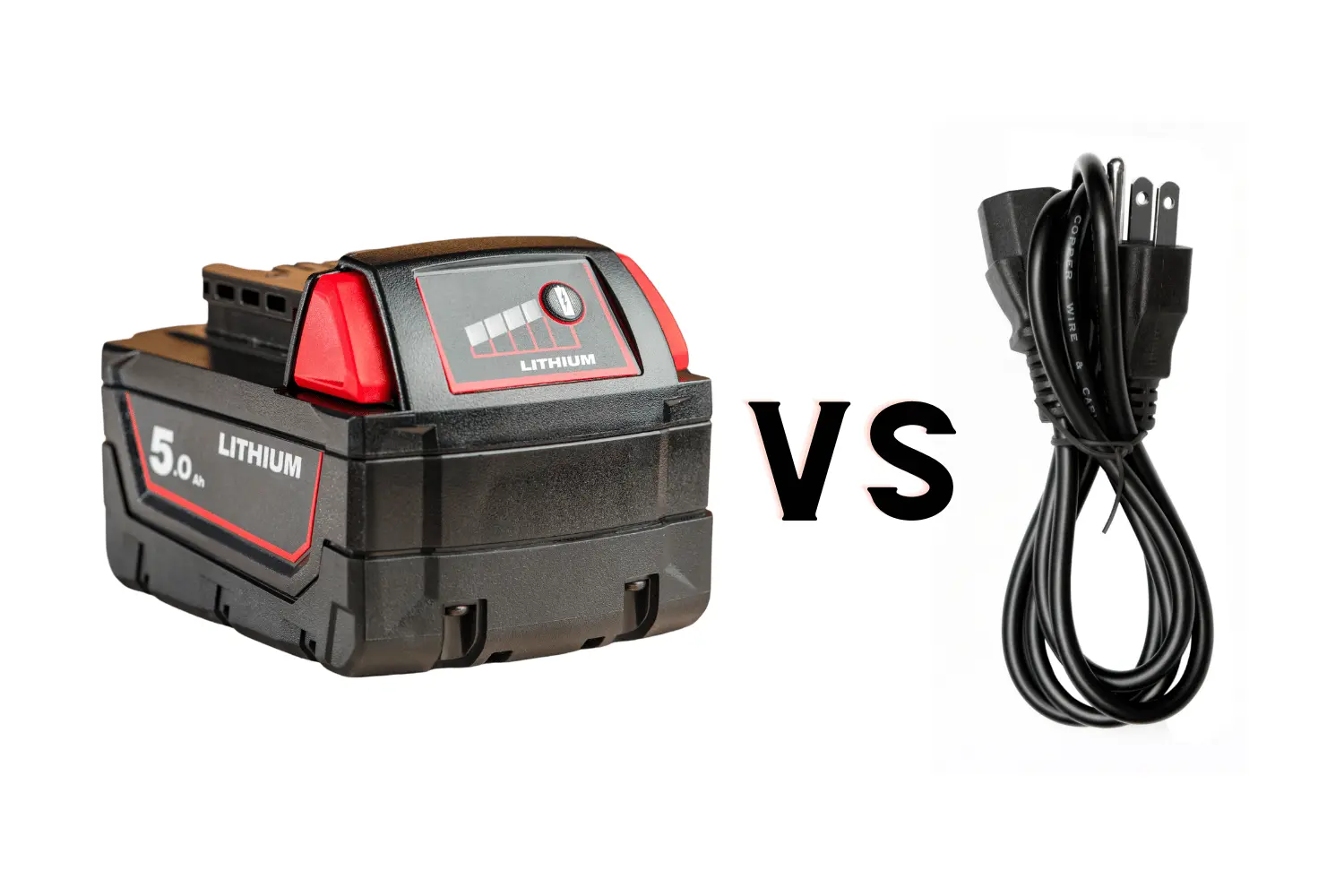
Corded vs Cordless Power Tools: Which Will Help You More?

Are you in the market for a new set of power tools but unsure whether to go corded or cordless?
You’re in the right place! This article is here to guide you through the pros and cons of both options.
Whether you’re a DIY enthusiast or a professional tradesperson, understanding the differences between corded and battery-powered tools is crucial.
With popular brands offering both types, like Bosch, DeWalt, and Milwaukee Tool, you can make an informed decision that suits your needs.
Key Takeaways
- Corded power tools offer consistent and reliable power.
- Cordless power tools offer greater portability and freedom of movement.
- Corded tools are ideal for heavy-duty tasks, while cordless versions can be sufficient for smaller projects.
- Corded tools are more affordable upfront, while cordless models typically have a higher price tag due to the cost of batteries.
Understanding Power Tools
So, you’re interested in understanding power tools? Well, let’s start with the definition.
Definition of Power Tools
To understand the difference between corded and cordless power tools, you need to start at the beginning. Power tools are devices that use electricity or other power sources to perform various tasks. They are designed to make tasks easier and more efficient, whether it’s drilling, cutting, sanding, or any other job that requires power.
When it comes to corded vs cordless power tools, there are a few key differences to consider:
- Corded power tools: These tools are powered by electricity and require a constant power source. They are typically more powerful than their cordless counterparts and are ideal for heavy-duty tasks that require continuous operation.
- Cordless power tools: These tools are battery-powered and offer more mobility and flexibility. They are great for jobs that require movement or when working in areas without access to electricity. Lithium-ion batteries are commonly used in cordless power tools due to their high energy density and longer run time.
- Differences in performance: While corded power tools tend to be more powerful, cordless tools have significantly improved in recent years. They now offer comparable performance to their corded counterparts, thanks to advancements in battery technology.
- Portability and convenience: Cordless power tools provide greater freedom of movement and eliminate the need for power cords, making them more convenient to use in different locations. They are also easier to transport and store.
- Considerations for battery life: Cordless power tools rely on batteries, so it’s essential to consider their run time and recharge time. Lithium-ion batteries are known for their longer life span and faster charging capabilities, making them a popular choice for cordless power tools.
Corded Power Tools
When it comes to corded power tools, there are several advantages and disadvantages to consider.
Advantages of Corded Power Tools
Corded power tools are typically more powerful than their cordless counterparts. When it comes to raw strength and performance, the corded version is hard to beat. Here are some advantages of choosing a corded power tool:
- Reliability: With a power cord, you never have to worry about running out of battery power in the middle of a project. You can work for hours without any interruptions, knowing that your tool will always have a consistent power source.
- Consistent Power: Unlike cordless tools that can lose power as the battery drains, corded power tools provide a continuous flow of electricity. This means you can maintain a consistent level of power throughout your work.
- No Recharge Time: With a corded drill, for example, you don’t need to wait for the battery to recharge. Simply plug it in, and you’re ready to go.
If you value power and reliability, a corded power tool is a great choice for you.
Disadvantages of Corded Power Tools
If you’re looking for more mobility and flexibility in your work, corded power tools might not be the best option for you. One of the main disadvantages of corded power tools is their limited range due to the need for an extension cord. This can be quite inconvenient, as you are restricted by the length of the cord and may have to constantly move the cord or switch outlets.
Additionally, corded power tools require a power supply, which means you are dependent on having access to an electrical outlet. This can be problematic when working in remote or outdoor areas where power sources are scarce.
On the other hand, cordless power tools offer greater portability and freedom of movement, as they are powered by rechargeable batteries. This allows you to work without the constraints of a cord and power supply, providing you with the flexibility to tackle projects anywhere you need to.
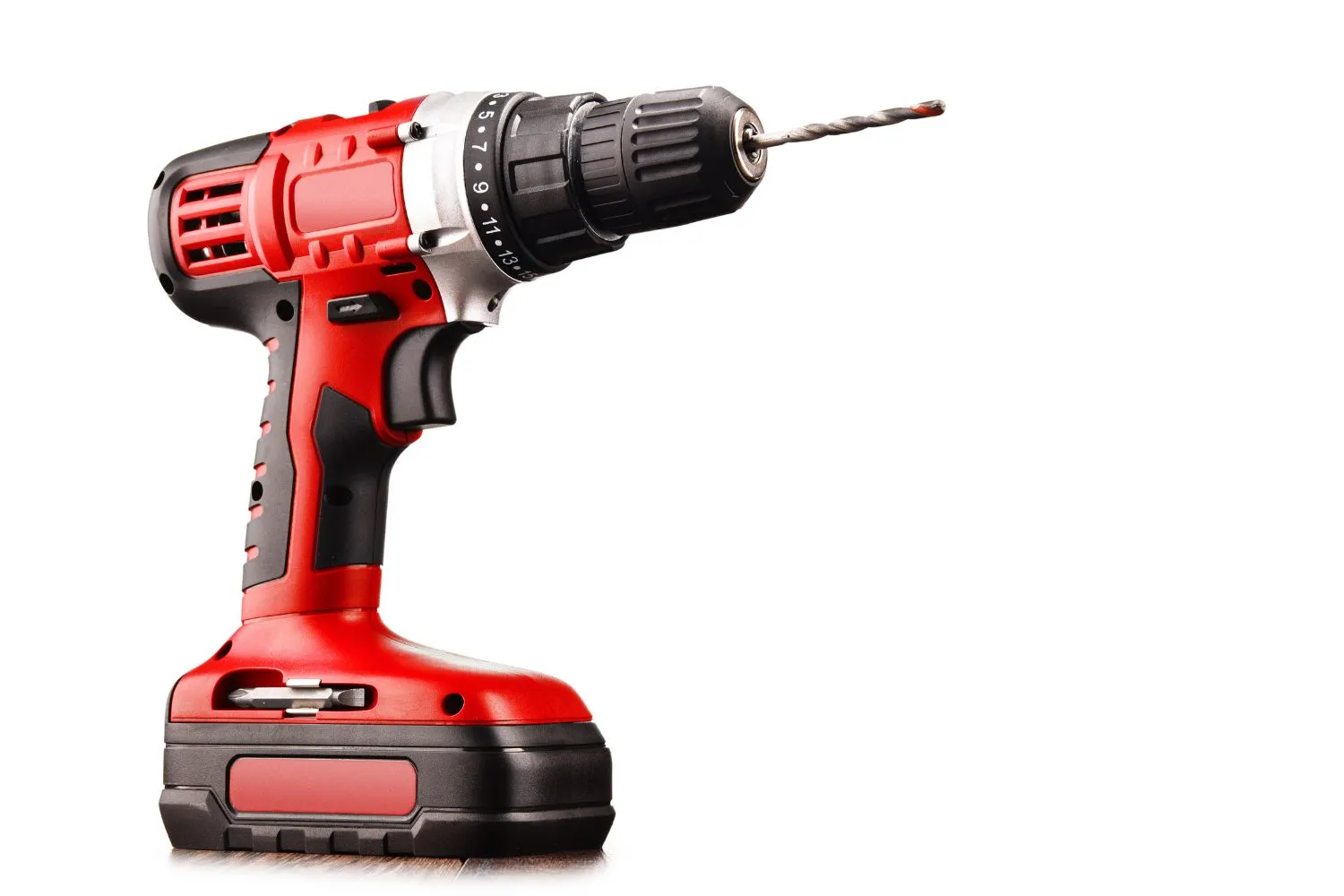
Cordless Power Tools
Cordless power tools offer a range of advantages that make them a popular choice among professionals and DIY enthusiasts. Depending on the situation, there are downsides to consider as well.
Advantages of Cordless Power Tools
You’ll love the convenience and freedom that cordless power tools offer. With cordless power tools, you can tackle any project without being restricted by cords or power outlets. Here are some advantages of using cordless power tools:
- Portability: Cordless power tools allow you to work anywhere, whether it’s in your backyard or on a construction site. You can easily move around without the hassle of cords getting tangled or limited range of movement.
- Power Output: Cordless power tools have come a long way in terms of power output. Many models now offer comparable power to their corded counterparts, allowing you to tackle even the toughest tasks.
- Battery Technology: Advances in battery technology have greatly improved the performance of cordless power tools. Lithium-ion batteries, in particular, provide longer run times and faster charging, ensuring that you can work uninterrupted for longer periods of time.
- Battery Life: While battery life may vary depending on the tool and usage, most cordless power tools now offer extended battery life. This means less downtime and more productivity.
Disadvantages of Cordless Power Tools
While cordless power tools offer convenience and freedom, it’s important to consider their disadvantages as well.
One major drawback of cordless power tools is their limited battery life. Unlike corded tools that can run indefinitely as long as they are plugged in, cordless tools rely on rechargeable batteries that need to be constantly recharged. This can be frustrating and time-consuming, especially if you’re in the middle of a project.
Additionally, cordless power tools tend to be less powerful than their corded counterparts. This can make them less effective for heavy-duty tasks that require a lot of power.
Lastly, cordless tools can be more expensive than corded ones, as you not only have to invest in the tool itself, but also in extra batteries and chargers.
Therefore, when deciding between corded and cordless power tools, it’s crucial to weigh the convenience and freedom of cordless tools against their disadvantages.
Things to Consider: Corded vs Cordless Tools
When considering whether to choose corded or cordless tools, there are several key points you need to keep in mind.
Work Environment
In a busy work environment, it’s important to consider the advantages and disadvantages of using corded or cordless power tools. Here are a few points to keep in mind:
Corded Power Tools:
- Reliable power source: With a corded power tool, you never have to worry about running out of battery power in the middle of a task.
- Consistent performance: Corded tools tend to provide a more consistent level of power, making them ideal for heavy-duty tasks.
- Unlimited runtime: As long as you have access to an electrical outlet, you can use a corded tool for extended periods without interruption.
Cordless Power Tools:
- Portability: Cordless tools offer the freedom to move around without being restricted by a cord, making them great for working in tight spaces or on job sites without easy access to power.
- Convenience: No need to worry about tangled cords or finding an electrical outlet. Cordless tools are ready to use whenever and wherever you need them.
- Battery pack considerations: It’s important to consider the battery pack’s runtime and charging time to ensure it meets your work requirements.
Whether you choose corded or cordless power tools, understanding the advantages and limitations of each can help you make an informed decision for your work environment.
Power Requirements
Now that we have talked about the work environment, let’s discuss the power requirements of corded and cordless power tools, specifically the circular saw.
When it comes to power tools, having the right amount of power is crucial for getting the job done efficiently. Corded versions of tools like circular saws are known for their consistent and uninterrupted power supply. As long as you have access to an electrical outlet, you can rely on the corded saw to deliver consistent power throughout your work.
On the other hand, cordless versions offer the freedom of movement without being constrained by a cord. They are powered by rechargeable batteries, which provide the necessary power for a limited period.
It’s important to choose the right power source based on your specific needs and preferences.
Price
To get the best value for your money, consider looking at the price range of different available options. When it comes to corded vs cordless power tools, price is an important factor to consider.
Here are some key points to help you make an informed decision:
- Corded tools tend to be more affordable upfront, as they don’t require the expensive battery technology found in cordless models.
- Cordless tools typically have a higher price tag due to the inclusion of a rechargeable lithium-ion battery. However, they offer the convenience of portability and freedom from tangled cords, making them worth the investment for many users.
- When comparing prices, take note of the voltage of the cordless drill or saw. Higher voltage usually means more power, but it also reflects in the price.
- Keep in mind that cordless versions also require batteries, which may need to be replaced or recharged periodically, adding to the overall cost.
Consider your budget and specific needs to find the power tool that offers the best value for you.
General Performance
When comparing corded and cordless tools, it’s important to consider their general performance.
One key factor to consider is whether you prefer a corded or cordless model. Corded tools offer continuous power, ensuring that you can work without any interruptions or delays. They are generally more powerful and can handle heavy-duty tasks with ease.
On the other hand, cordless tools provide the convenience of portability and freedom from tangled cords. If you opt for a cordless model, it’s essential to choose one that can deliver the necessary power for your projects. It’s also worth noting that advancements in battery technology have made cordless tools better than ever before.
Ultimately, the choice depends on your specific needs and preferences.
Popular Brands: Bosch, DeWalt, or Milwaukee Tool
When it comes to popular brands of power tools, Bosch, DeWalt, and Milwaukee are three names that stand out. These brands are known for their reliability, durability, and high performance.
Bosch offers a wide range of tools that are known for their precision and innovative features. They have built a reputation for producing tools that deliver accurate results and incorporate cutting-edge technology.
DeWalt, on the other hand, is renowned for its ruggedness and versatility. Their tools are designed to withstand tough conditions and can handle a variety of tasks. Whether you’re working on a construction site or tackling a home improvement project, DeWalt tools are built to last.
Milwaukee is known for its powerful and robust tools that can handle even the toughest jobs. They are particularly popular among professionals who require heavy-duty tools that can withstand intensive use. Milwaukee tools are designed to provide maximum power and performance.
Whether you’re a professional tradesperson or a DIY enthusiast, choosing between Bosch, DeWalt, and Milwaukee tools will ensure that you have a reliable and efficient tool that meets your needs. These brands have established themselves as leaders in the power tool industry and are trusted by professionals worldwide.
Bosch
You should consider the Bosch brand if you’re looking for reliable power tools. Bosch has been a trusted name in the power tool industry for decades, and their cordless tools are no exception.
Here are three reasons why Bosch should be at the top of your list:
- Quality and Durability: Bosch power tools are known for their exceptional build quality and durability. They are designed to withstand the toughest jobsite conditions, ensuring that they will last for years to come.
- Innovation: Bosch is constantly pushing the boundaries of cordless technology. They offer a wide range of innovative features, such as brushless motors and advanced battery technology, which provide longer runtimes and increased power.
- Wide Range of Tools: Whether you’re a professional tradesperson or a DIY enthusiast, Bosch has a comprehensive lineup of cordless power tools to meet your needs. From drills and impact drivers to saws and sanders, they have you covered.
With Bosch, you can trust that you’re getting a reliable power tool that will help you get the job done right.

DeWalt
DeWalt offers a wide range of reliable and durable tools for both professionals and DIY enthusiasts. Whether you’re a contractor on a jobsite or a hobbyist working on projects at home, DeWalt has you covered.
One of the key features that sets DeWalt apart from other brands is their 20 volt cordless line. The choice between cordless or corded tools depends on your specific needs and preferences. However, many professionals and DIY enthusiasts prefer cordless tools for their convenience and portability.
DeWalt’s cordless jobsite solutions allow you to work without the hassle of cords and cables, giving you the freedom to move around and work in any location. With DeWalt’s modern battery technology, you can expect long-lasting power and performance from their cordless tools.

Milwaukee
When it comes to cordless power tools, Milwaukee is a brand that stands out. With their expertise in battery technology, Milwaukee offers a wide range of cordless tools that provide consistent power and performance.
Here are some reasons why Milwaukee is a great choice when deciding between corded and cordless power tools:
- Advanced Battery Technology: Milwaukee uses state-of-the-art lithium-ion batteries in their tools, which provide longer runtimes and faster charging compared to older battery technologies.
- Wide Range of Tools: Milwaukee offers a comprehensive lineup of modern cordless tools, from drills and impact drivers to saws and grinders. Whatever your project requires, Milwaukee has the tool for the job.
- Versatility and Portability: Cordless tools offer the freedom to work anywhere without being limited by cords. With Milwaukee’s cordless tools, you can easily move around your workspace or take them on the go.
Frequently Asked Questions
Are Power Tools Safe to Use?
Power tools are generally safe to use if you follow proper safety guidelines. Always wear protective gear, inspect tools for damage, and use them in a well-lit area. Remember, your safety is important.
What Are the Main Differences Between Corded and Cordless Power Tools?
Corded and cordless power tools have significant differences. Corded tools provide consistent power with unlimited runtime but are less portable. Cordless tools offer mobility but limited runtime and may need battery replacements.
Can Corded Power Tools Be Used Outdoors?
Yes, corded power tools can be used outdoors as long as there is a power source available. They provide continuous power and are great for heavy-duty work, but you’ll need to consider the length of the cord and potential hazards.
Are Cordless Power Tools Less Powerful Than Corded Ones?
Today’s cordless power tools offer convenience and portability without sacrificing power. They utilize advanced battery technology to deliver comparable performance to corded tools. You won’t be disappointed with their power capabilities.
What Is the Average Lifespan of a Cordless Power Tool Battery?
The average lifespan of a cordless power tool battery can vary depending on usage and maintenance. It is important to properly charge and store the battery to maximize its lifespan.