Cordless Drill Safety Tips: How to Use a Drill Safely

A drill is a versatile tool that empowers you to tackle various woodworking and home improvement projects with ease. However, the first step is to understand how to use the tool safely. This comprehensive guide is your roadmap to using these tools responsibly and avoiding potential hazards.
In this article, we will delve into an exhaustive list of safety guidelines, from understanding the tool’s components and types to preparing a secure workspace and practicing safe handling techniques. Whether you’re a DIY enthusiast or a professional, these precautions are essential to prevent accidents and maintain a hazard-free environment.
From wearing the right safety gear and setting up a well-lit workspace to mastering safe drilling and screwdriving techniques, we’ll equip you with the knowledge and skills needed to operate your power drill confidently and responsibly. Let’s embark on this journey of safety awareness and ensure that every project you undertake is completed not only efficiently but also with utmost caution.
Know Your Cordless Drill – The Motor, Chuck, and Trigger
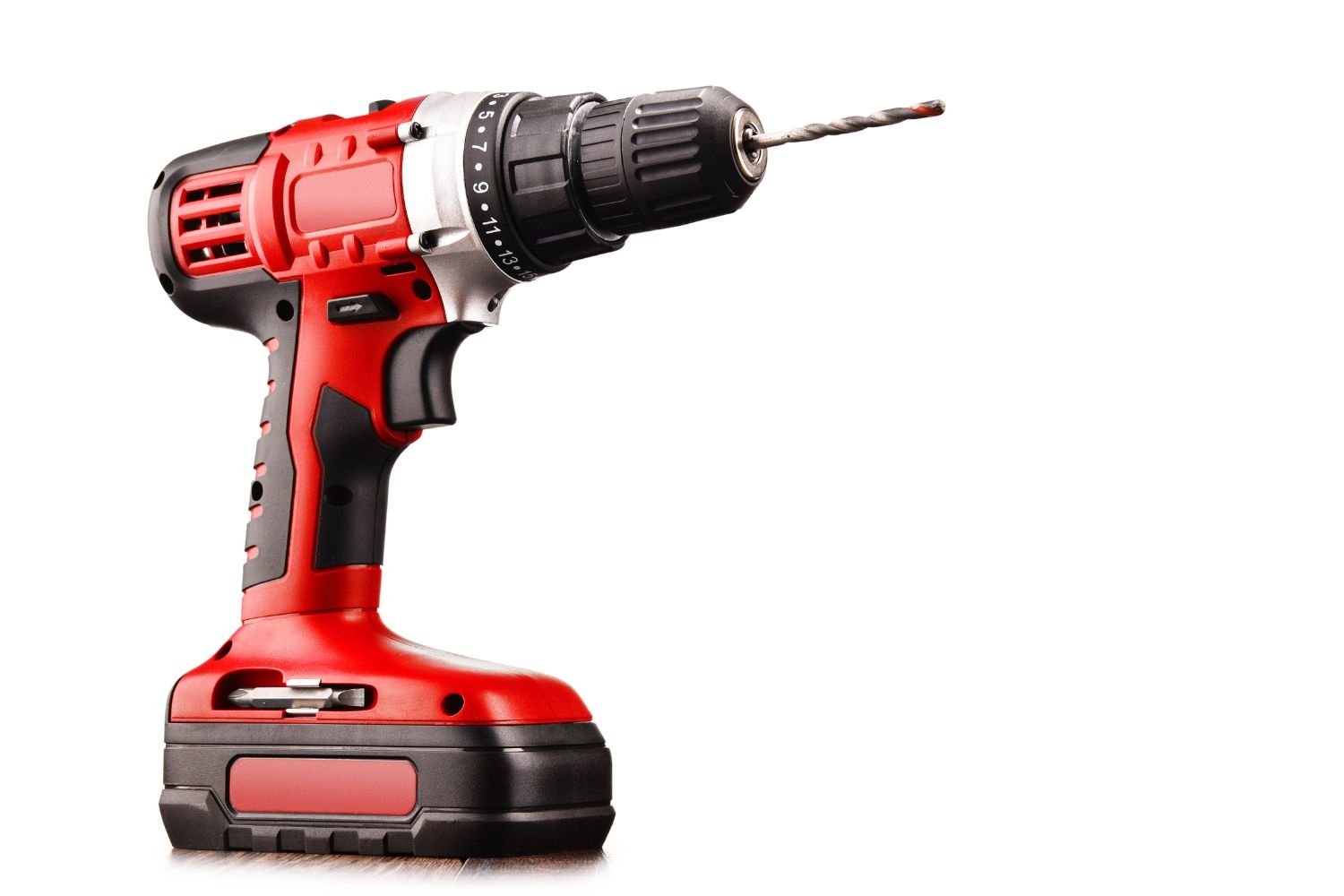
Before we delve into the world of safety precautions, it’s essential to familiarize ourselves with the various components that make up your cordless drill.
Imagine your drill as a complex puzzle, where each piece plays a critical role. The motor is the powerhouse that drives the tool’s movement, while the chuck securely holds the drill bit in place. The trigger acts as your command center, controlling the drill’s rotation and speed. Understanding these parts is like learning the vocabulary of your drill’s language – it empowers you to operate it with precision and confidence.
Types of Cordless Drills
Not all drills are created equal – they come in various types, each designed to excel in specific tasks. Let’s uncover the different types and their unique strengths.
Versatility of Standard Drills
Standard power drills are like the Swiss Army knives of the tool world. They’re your go-to for a wide range of drilling tasks, from creating holes in wood to driving screws into various materials. If you’re a DIY enthusiast who tackles different projects, a standard drill is likely your trusty companion.
Unleashing Power with Hammer Drills
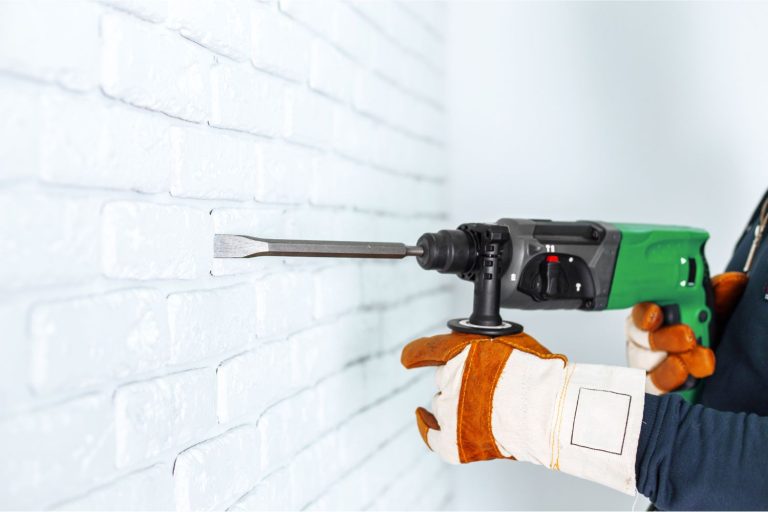
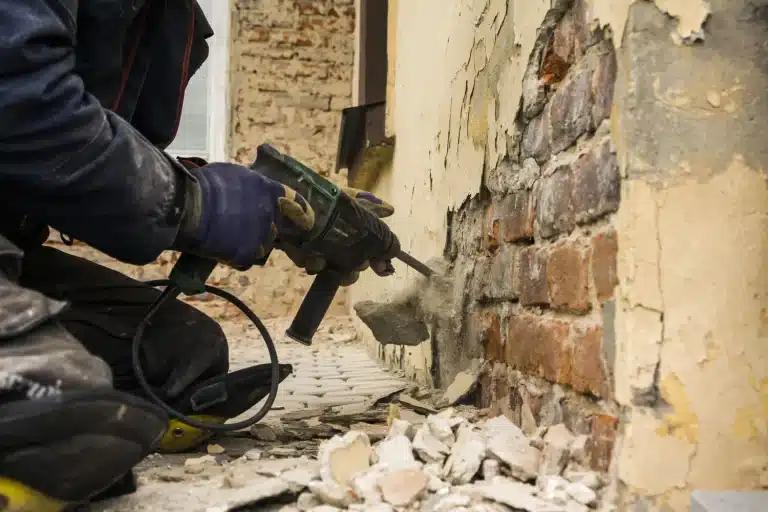
When you encounter tougher materials like concrete or masonry, that’s where the hammer drill shines. This type packs an extra punch, using a forward-thrusting motion to help break through solid surfaces. If your projects often involve heavy-duty drilling, a hammer drill is your heavyweight contender.
Choosing the Right Tool for the Task
The key lies in knowing which type suits your project. Need to hang pictures or assemble furniture? A standard drill’s versatility is your ally. Working on renovations or construction? The hammer drill‘s strength is your advantage. Understanding these drill types ensures you’re armed with the right tool to conquer any challenge.
Protective Clothing and Gear
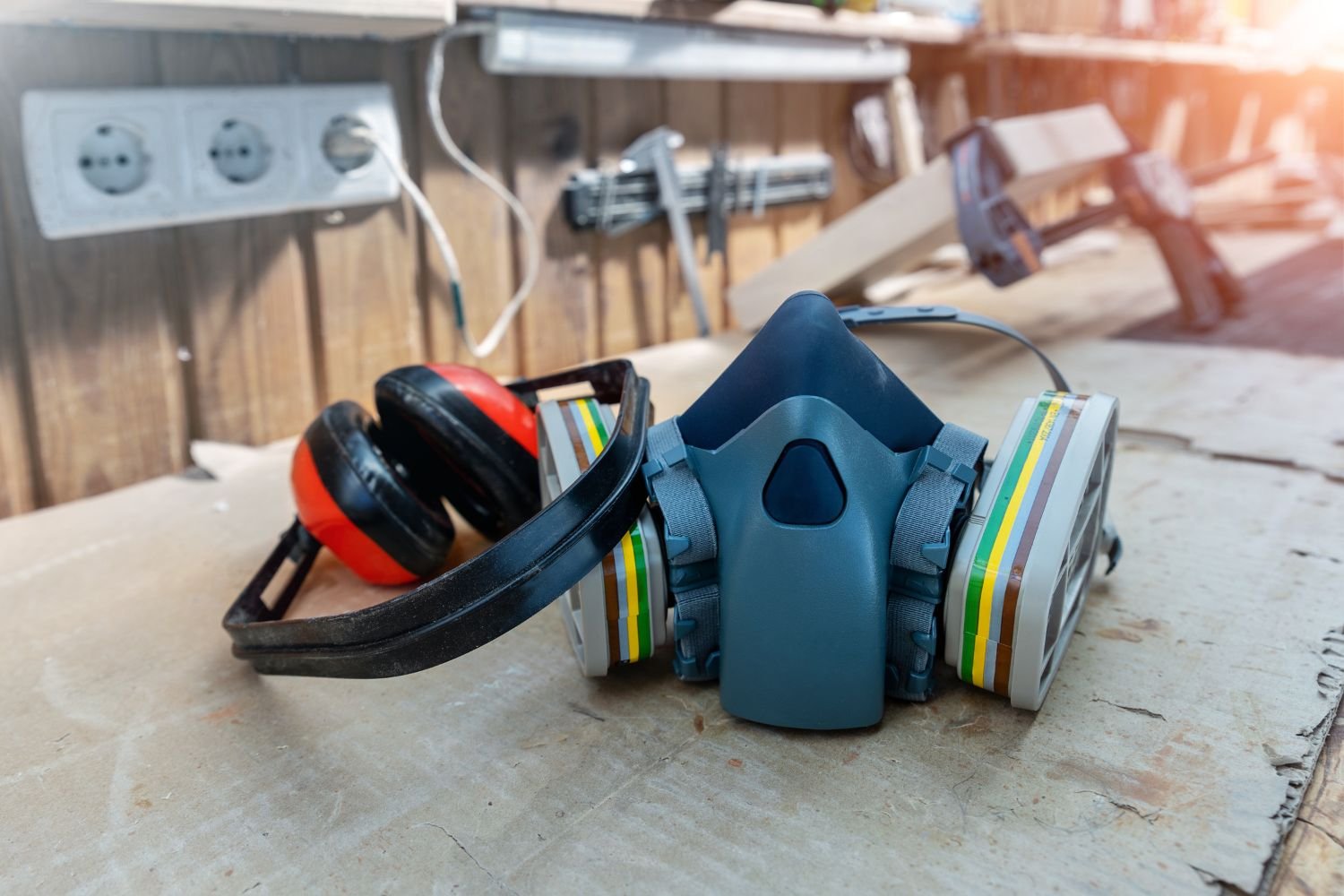
Before you embark on any drilling project, safeguarding yourself with the right gear is paramount. Let’s explore the essential equipment that shields you from potential injury.
Shielding Your Eyes with Safety Glasses
Safety glasses or goggles are your window to safe drilling. They shield your eyes from flying debris, dust, and particles that can cause harm. Choose glasses with side shields for comprehensive protection, especially when drilling overhead or in confined spaces.
Defending Your Hands with Gloves
Invest in sturdy gloves to shield your hands from friction, vibrations, and potential cuts. Choose gloves that offer a firm grip and dexterity, enabling you to handle the drill with precision while ensuring your hands remain safe from harm.
Ears Deserve Protection Too
All drills can produce noise levels that might harm your hearing over time. Wearing ear protection, such as earplugs or earmuffs, reduces the risk of noise-related damage and maintains your auditory well-being.
Proper Clothing
When using a battery-operated drill, you also have to consider the clothing that you are wearing. You want to avoid any loose fitting sleeves, metal jewelry, or accessory that may bind in the spinning drill bit.
Wearing protective gear isn’t just a precaution; it’s a necessity. Whether you’re a seasoned DIY enthusiast or a professional, these essentials shield you from accidents, ensuring that you complete your projects with both confidence and safety in mind.
Workspace Setup
Creating a safe and organized workplace is the foundation of cordless drill safety. Let’s explore the essential steps to ensure your work area is conducive to accident-free drilling.
Declutter for Safety
Before you start drilling, clear your workspace of any unnecessary items. Clutter can lead to accidents, obstructing your movement and posing tripping hazards. A clutter-free zone ensures you can focus solely on your task at hand.
Organize Your Tools
Having tools and materials scattered around can lead to confusion and mishaps. Arrange your tools neatly and keep them within arm’s reach. This prevents fumbling and reduces the chances of accidents while you’re drilling.
Ensure Proper Lighting
Adequate lighting is crucial for precision and safety. Ensure your workspace is well-lit, allowing you to clearly see your drilling area, the drill bit, and the material. This minimizes the risk of errors and enhances your overall control.
Ventilation and Air Quality
Working in a well-ventilated area is essential to prevent the buildup of dust and fumes. If you’re drilling materials that produce debris or odors, open windows or use a fan to maintain air quality and reduce health risks.
A properly organized workspace isn’t just a nicety; it’s a necessity. By taking the time to declutter, organize, and ensure proper lighting and ventilation, you’re setting the stage for safe and successful cordless drill usage.
Power Drill Safety Tips
Holding the Drill
Properly gripping your cordless drill is the cornerstone of safe and accurate drilling. Let’s explore the art of holding your tool securely for optimal control and precision.
Firm and Confident Grip
When you hold your cordless drill, maintain a firm grip without overexerting your hand muscles. A balanced grip provides stability, preventing the drill from slipping or wobbling during operation.
Positioning Your Hands
Place one hand on the drill’s handle and the other on the battery or motor housing. This dual-handed grip provides balanced control, allowing you to guide the drill with precision and minimizing the risk of mishandling.
Avoid Overextension
While drilling, avoid overreaching or leaning awkwardly. Keep your body aligned with the drill to maintain stability and control. This posture prevents strain and enhances your ability to focus on accurate drilling.
A secure grip is your shield against accidents. By holding your cordless drill with confidence and balance, you’re ensuring every drilling action is deliberate, precise, and free from unexpected movements.
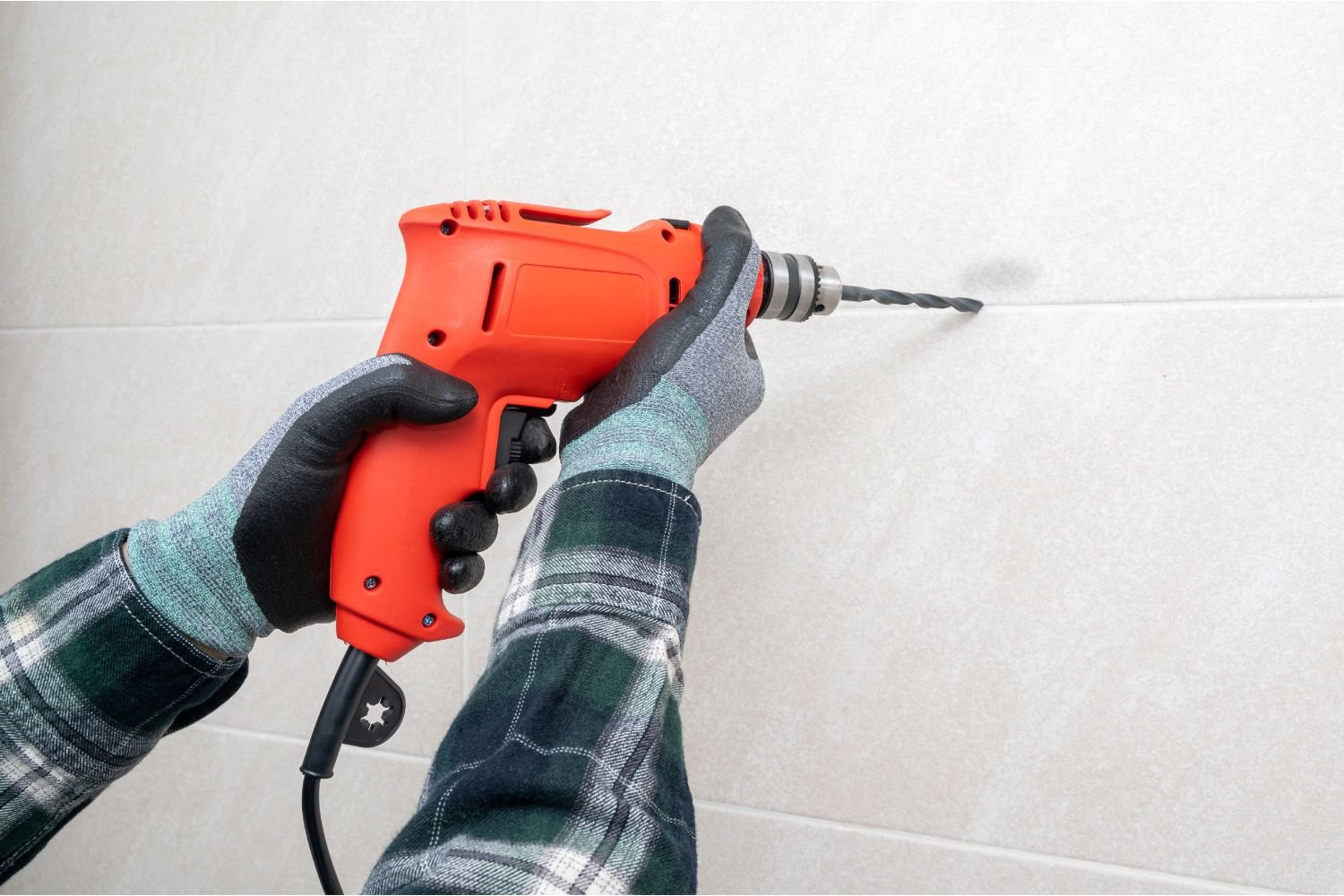
Operating a Power Drill – Drilling Techniques
Mastering the art of drilling is more than just pressing a button. Let’s explore step-by-step techniques that ensure safe and accurate drilling results with your cordless drill.
Starting Smoothly
Begin by placing the drill bit at the desired drilling point. Gently squeeze the trigger to start the rotation before applying pressure. This prevents the bit from slipping or wandering off-course. In some cases, a pilot hole using a very small drill bit may be warranted.
Steady Pressure, Steady Progress
As you drill, apply steady and even pressure on the drill. Let the drill’s power and the bit’s sharpness do the work; there’s no need to force it with too much pressure. Maintaining a consistent amount of pressure prevents the bit from jamming or creating an uneven hole.
Going Straight In
Keep the drill perpendicular to the surface you’re drilling into. This ensures a straight hole and prevents the bit from binding or breaking. If you’re drilling at an angle, the bit might wander, resulting in imprecise holes.
Respect Depth and Material
Know the depth of the hole you need and mark it on the bit with tape for reference. Avoid drilling too deep, as it can damage underlying materials or components. For harder materials, like metal or concrete, use the appropriate bit and apply gentle, controlled pressure.
By practicing these drilling techniques, you’re not just ensuring your safety – you’re also guaranteeing accurate and efficient results. Let these steps guide you to becoming a confident and skilled cordless drill user.
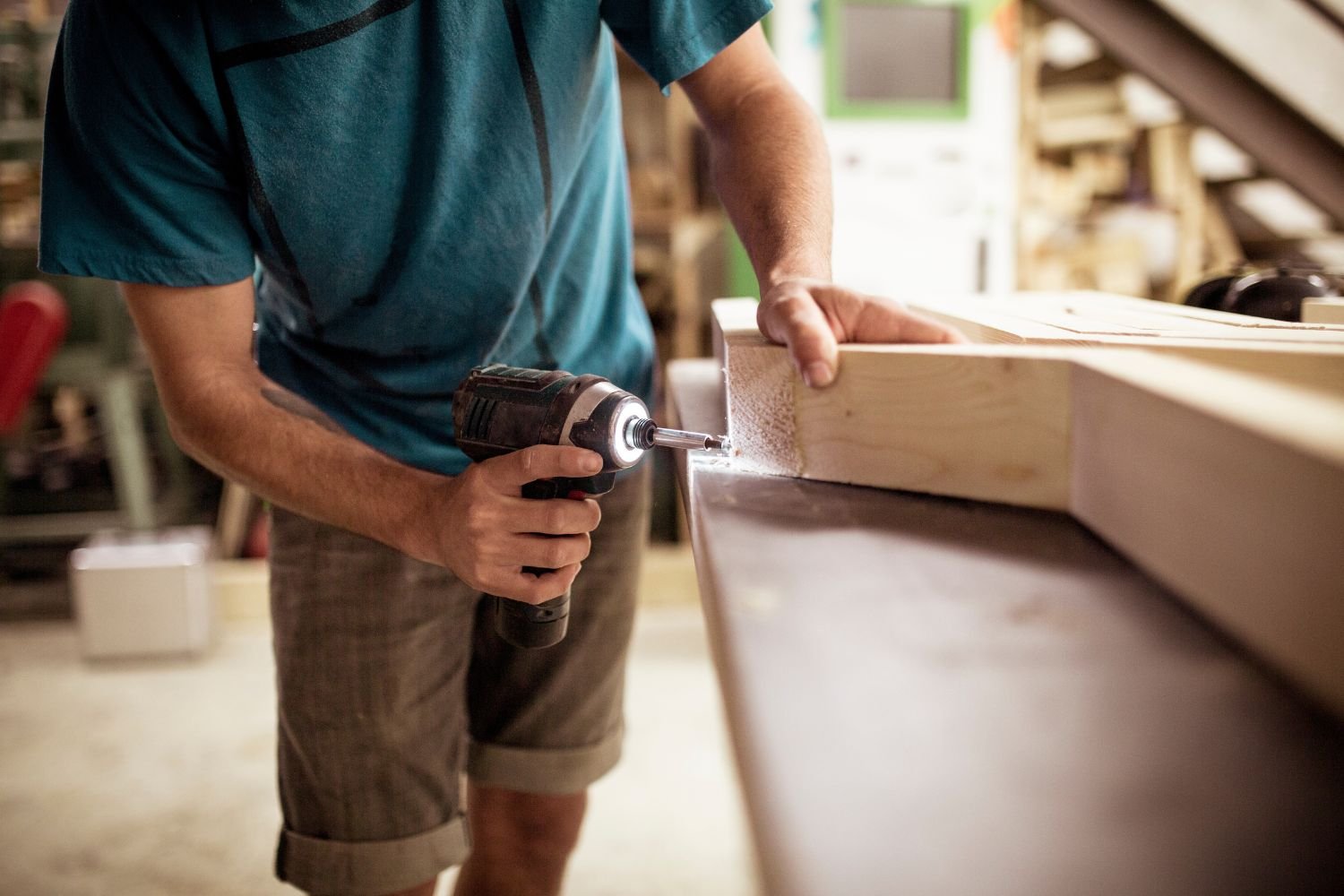
Screw Driving Safety
Driving screws with your cordless drill requires finesse and attention to detail. Let’s uncover techniques that ensure secure and precise screw driving for your projects.
Selecting the Right Bit
Choose a screwdriver bit that matches the screw’s head type and size. A proper fit prevents slipping, reducing the risk of damaging the screw or the material you’re working with.
Aligning the Bit
Align the screwdriver bit with the screw’s head, ensuring a snug fit. Hold the drill steady as you start driving the screw. This initial stability sets the tone for controlled and accurate screw driving.
Maintaining Steady Pressure
As you drive the screw, apply steady pressure to the drill while keeping it perpendicular to the surface. This minimizes the risk of the screwdriver bit slipping out of the screw’s head and damaging the surrounding material.
Preventing Over-Tightening
Pay attention to the resistance you feel as the screw tightens. Over-tightening can strip the screw or damage the material. Once the screw is flush with the surface, stop applying pressure to prevent unnecessary strain.
By following these screw driving techniques, you’re not only ensuring your safety but also guaranteeing a job well done. Let these steps guide you to confidently driving screws, completing your projects with precision and skill.

Battery Handling
Understanding and properly handling the battery of your cordless drill is essential for both safety and efficiency. Let’s explore the key aspects of battery management to ensure a hazard-free experience.
Charging Safely
Always use the charger that comes with your cordless drill, as third-party chargers may pose risks. Charge the battery in a well-ventilated area to avoid overheating and follow manufacturer guidelines for charging times. Avoid overcharging, which can damage the battery.
Storing Batteries
When not in use, store your batteries in a cool, dry place, away from direct sunlight and extreme temperatures. This preserves their lifespan and prevents potential issues caused by temperature fluctuations.
Battery Compatibility
Ensure you use batteries that are compatible with your cordless drill model. Using the wrong battery can lead to malfunction or even accidents. Always refer to the drill’s manual for battery recommendations.
Inspecting for Damage
Regularly check the battery for any signs of damage, such as cracks or exposed wires. Damaged batteries can pose safety risks and should be replaced immediately to avoid potential hazards.
By handling your cordless drill’s battery with care and following these guidelines, you’re ensuring not only a safe operation but also prolonging the life of your tool’s power source.
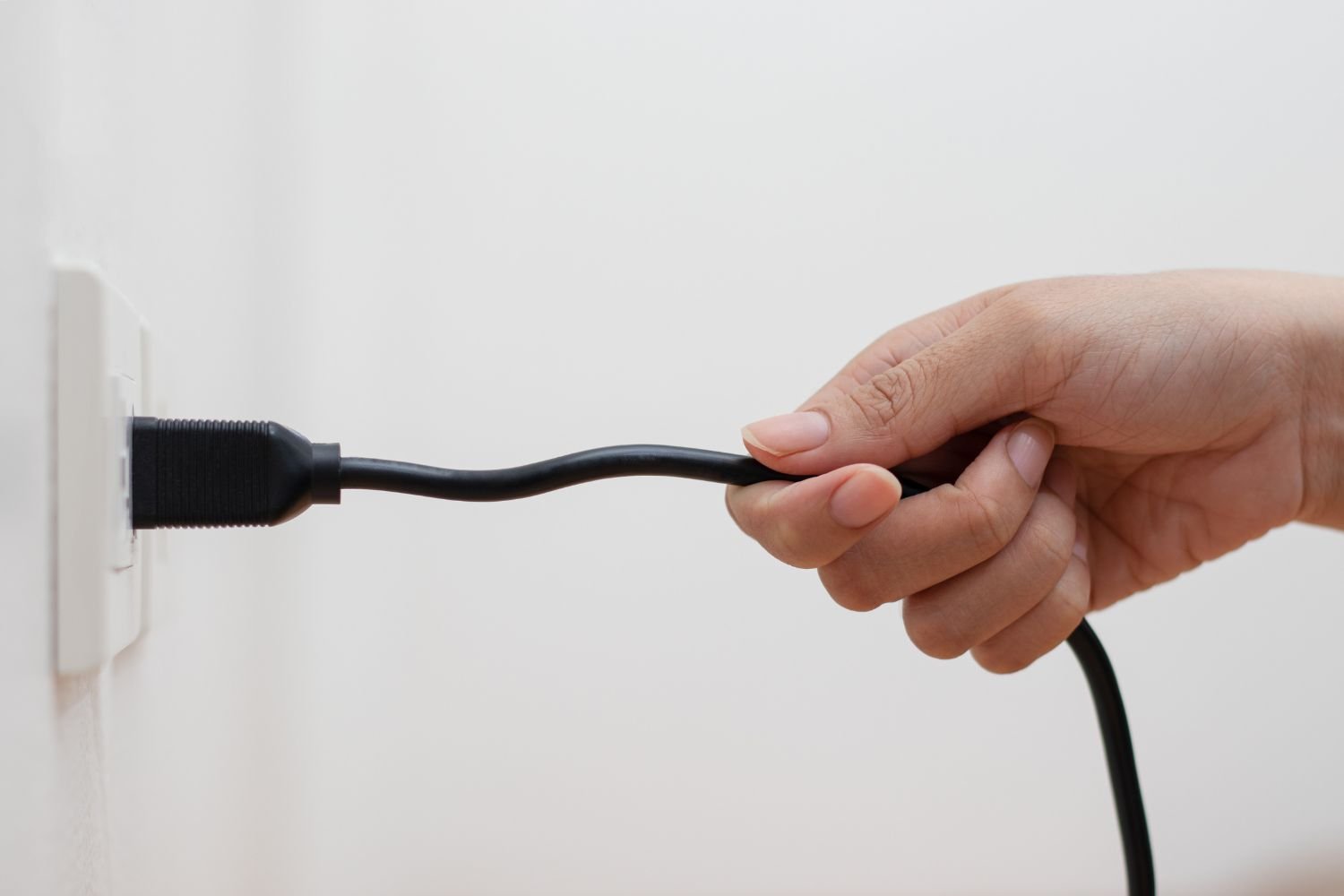
Power Cord Management
While cordless drills offer freedom of movement, some models come with a power cord for charging and extended use. Let’s explore proper power cord management to ensure safety and convenience during your projects.
Preventing Tripping Hazards
When using a corded drill, ensure the power cord is placed away from your work area and pathways. Secure it to prevent tripping, tangling, or accidental disconnection, which can lead to accidents.
Adequate Length and Extension
Choose an appropriate extension cord if needed, ensuring it’s rated for your drill’s power requirements. Avoid using cords that are too short, as they can restrict your movement and compromise your work’s safety.
Inspecting Cords for Damage
Regularly inspect both the power cord and the extension cord for any signs of wear, fraying, or exposed wires. Damaged cords can pose electrical hazards and should be replaced immediately.
Power Cord Storage
When not in use, neatly coil the power cord and extension cord, avoiding kinks or knots that can damage the wires. Store them in a dry place to prevent moisture-related issues.
By managing power cords effectively, you’re creating a safe and organized workspace that supports your cordless drill activities. These practices enhance your efficiency and minimize the risk of accidents.
The Safety Shut-Off Will Turn Off the Drill to Avoid Accidents
Ensuring your cordless drill has a safety shut-off mechanism is a critical aspect of accident prevention. Let’s delve into this feature and how it adds an extra layer of protection to your drilling experience.
Understanding the Safety Shut-Off
Many modern cordless drills come equipped with a safety shut-off feature. This function automatically stops the drill’s rotation when you release the trigger. It’s like a safety net that prevents accidental starts and minimizes the risk of injuries.
The Importance of Release
When using a drill with a safety shut-off, make it a habit to release the trigger whenever you’re not actively drilling. This practice ensures that the drill stops spinning immediately, even if you accidentally lose your grip or if the bit gets caught.
Advantages of the Safety Shut-Off
The safety shut-off feature not only safeguards your well-being but also prolongs the life of your drill by preventing unnecessary wear and tear. It’s a small yet powerful detail that enhances the overall safety and efficiency of your drilling projects.
By utilizing the safety shut-off feature and following these guidelines, you’re elevating your drilling experience to a new level of security. This simple practice showcases your commitment to safety and responsible tool usage.

First Aid Basics
While prevention is the best strategy, it’s wise to be prepared for the unexpected. Let’s explore some basic first aid tips that can be helpful in case of minor injuries while using a cordless drill.
Cuts and Scrapes
If you experience a minor cut or scrape while handling your drill, clean the wound gently with soap and water. Apply an antiseptic ointment and cover it with a sterile bandage to prevent infection.
Minor Burns
In case of a minor burn, run the affected area under cool water for several minutes. You can also apply a cool, damp cloth to soothe the skin. Avoid using ice, as extreme cold can cause further damage.
Eye Irritation
If debris or dust enters your eyes while drilling, resist the urge to rub them. Blink repeatedly to encourage tears to flush out the irritants. If the irritation persists, rinse your eyes gently with clean water.
Seek Professional Help
For more serious injuries or if you’re uncertain about the severity of a wound, don’t hesitate to seek medical attention. It’s always better to be cautious and ensure your well-being.
While safety measures are crucial, knowing basic first aid can offer peace of mind. By being equipped with these simple techniques, you’re prepared to handle minor incidents and ensure your safety during your cordless drill activities.
Final Thoughts
As you conclude your journey through this comprehensive guide to cordless drill safety, you’ve gained a solid foundation of knowledge and practices that will shape your drilling experiences. From understanding the types of cordless drills to practicing secure handling techniques, you’ve learned how to wield your power tool with confidence and responsibility.
Safety has been the cornerstone of every section, reminding you that protecting yourself and those around you is paramount. By embracing precautions, proper gear, and workspace setup, you’re ensuring that each project is a secure and successful endeavor.
As you embark on your electric drill projects, remember that safety is a constant companion. Respect your tool, apply the techniques you’ve learned, and trust your abilities. With this guide as your reference, you’re well-equipped to approach every task with precision, skill, and the utmost care.