Which Materials Can the Versatile Hammer Drill Penetrate?

Market research predicts that the demand for hammer drills will increase by nearly 8% every year until 2027. This rise in popularity is due to their strong performance with professionals and those who enjoy doing projects at home. A hammer drill is known for its ability to drill through hard surfaces like concrete and brick with ease. But it is also quite good at drilling into other materials.
If you need to hang shelves on a drywall or put in a fixture on a tiled bathroom wall, a hammer drill can be very useful. However, when planning your next project, you might wonder about the limits of this powerful tool. Let’s dive into how well hammer drills work on a variety of materials and discuss when they might not be the best choice.
For example, when working with wood, you should use a hammer drill with caution. The aggressive action of a hammer drill can damage wood, so it’s better to switch to a regular drill setting or use a different tool altogether. On metal surfaces, it’s important to use the correct drill bit and go slowly to prevent overheating and damaging the bit or material. For tile, a hammer drill can be effective, but you need a specialized drill bit to avoid cracking the tile. It’s also worth mentioning that for delicate jobs or precision work, a hammer drill might not be the best option because of its forceful nature.
When choosing a hammer drill, consider options like the DeWalt 20V MAX XR Hammer Drill for its durability and performance. It comes with adjustable settings that allow you to match the tool’s power to the task at hand, making it easier to work with a variety of materials without causing damage.
To sum up, hammer drills are versatile tools that can handle many materials, but they must be used with care and the right accessories to achieve the best results. Always consider the material you’re working with and adjust your approach accordingly to ensure a successful project.
Understanding Hammer Drills
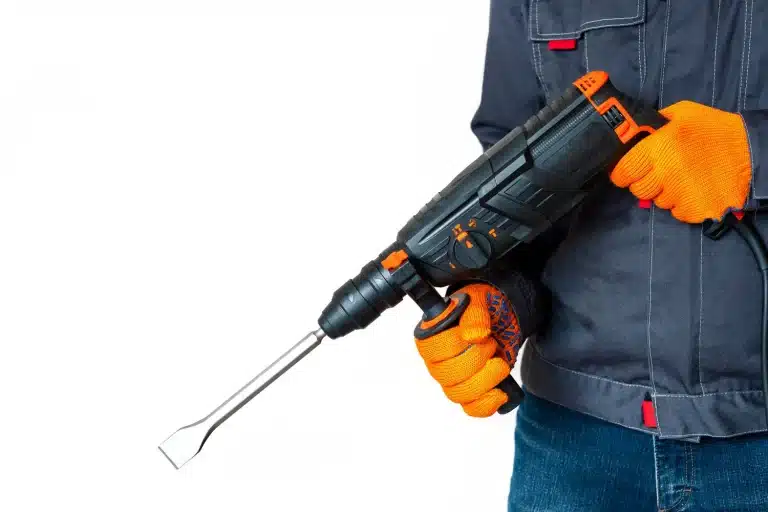
A hammer drill is a powerful tool that drills into tough materials like concrete, stone, and brick. It works by spinning the drill bit and hammering it forward at the same time, which breaks up the hard material quickly and makes drilling easier.
When you pick a hammer drill, you’re getting a tool that can do two things. You can use it as a regular drill for softer materials like wood or metal, or as a hammer drill for harder surfaces. It has a special feature that turns off the hammering action when it’s not needed, so you don’t use more energy than necessary. This means you can handle many different jobs with just one tool.
For example, if you need to hang shelves on a concrete wall, a hammer drill like the Bosch 11255VSR Bulldog Xtreme can make the job much easier. It’s known for being durable and efficient, which is perfect for tough tasks like this.
Penetrating Masonry and Concrete
Let’s dive into how hammer drills tackle the tough job of getting through masonry and concrete. These tough surfaces need a drill that does more than just spin; it has to punch through with force. The key is using the right drill bit and knowing how to use it.
For drilling into brick or concrete blocks, you need a bit that’s tough enough to resist wear and tear, like one with a carbide tip. When it comes to concrete, especially if it’s reinforced with metal bars, choose a bit designed to cut through both the rocky bits and the metal.
When you start drilling, go slow. This helps you make sure the hole begins in the right spot without slipping. Once you’ve got the start right, you can pick up the pace.
Drilling Into Metal and Wood
When moving from working on masonry to softer things like metal and wood, hammer drills are still great, but you need to use them differently.
For metal, turn off the hammer function and pick a strong HSS (High-Speed Steel) bit. Press firmly and go at a steady but not too fast pace to keep the bit from getting too hot. If you’re drilling into thick metal, you might need to use some oil to help the drill bit move smoothly.
For drilling into wood, you should use a brad-point bit or a twist drill bit. Don’t use the hammer setting because it’s too strong and could break the wood. Using a hammer drill the right way can give you a lot of control and make holes that are just right. Always remember to put safety first and wear the right gear when you’re using the drill.
Let me give you an example. Say you’re trying to put up a metal shelf. You’ll need your hammer drill with the hammer function off and an HSS bit to make the holes for the screws. Keep a steady hand and drill at a consistent speed to make a smooth hole without burning out your drill bit. And if the metal is really thick, a few drops of cutting oil can make things go much smoother.
Now, if you’re working with wood, maybe making a bookcase, switch to a brad-point bit. This way, you get clean holes without any cracks or splinters in the wood. Safety glasses and gloves are a must in either case to protect yourself.
Tackling Plastic and Tile
When working with plastic, it’s best to use a regular drill with a sharp, straight drill bit. Make sure the hammer function is off to avoid cracks. It’s important to drill straight and apply even pressure for a clean hole. Pushing too hard can damage the plastic, which isn’t good for your project.
With tile, be careful and take your time. Use a drill bit made for masonry that has a carbide tip. Begin drilling slowly to keep the bit from slipping. Once it starts to cut into the tile, you can go a bit faster. Don’t use the hammer setting because it might break the tile. A light, steady push will help the bit go through the tile safely, so you can put up fixtures or make changes without any trouble.
For example, when hanging a bathroom mirror on a tiled wall, ensure you have the right drill bit, like the Bosch Carbide-Tipped Masonry Drill Bit. This will help you drill holes accurately without cracking the tiles.
Beyond Basics: Hard and Tough Surfaces
When working with hard materials like concrete and steel, it’s crucial to use a hammer drill to achieve the best results. Here’s a straightforward guide to make your job easier:
- Select the Appropriate Drill Bit: For concrete, pick a bit with a carbide tip—it’s tough enough for the job. For drilling into steel, go for a bit coated with cobalt or titanium; these materials help the bit stay sharp longer.
- Use Consistent Force: Keep a steady hand and let the hammer drill do its work. This helps to break through the material efficiently without damaging your drill bit by pushing too hard.
- Keep the Bit Cool: Heat can damage your drill bit, so use water or a specific drilling lubricant to keep it cool. This not only makes your bit last longer but also makes drilling easier.
By following these tips, you’ll be able to drill through hard materials effectively.
For example, when drilling into concrete, Bosch’s carbide-tipped hammer drill bits are a reliable choice. And for steel, the DEWALT cobalt drill bits are known for their durability.
Frequently Asked Questions
Can a Hammer Drill Be Used as a Regular Power Drill for Non-Masonry Projects, and How Does It Perform in Comparison?
A hammer drill can also be used as a regular drill when you turn off the hammering action. This is handy because it means you don’t need to buy two separate tools if you’re working on different kinds of projects, like hanging shelves or building furniture. The hammer drill works just as well as a regular drill when you use it this way. It’s a smart choice if you want to save space and money. For example, if you’re assembling a bookcase, the hammer drill in regular mode will help you get the job done efficiently. Brands like DeWalt and Bosch offer reliable hammer drills that can switch functions easily.
What Safety Precautions Should Be Taken When Using a Hammer Drill to Penetrate Various Materials?
When you’re getting ready to use a hammer drill, it’s crucial to gear up for safety. Start by putting on safety glasses to shield your eyes from flying debris. Loud noise is a given, so wear earplugs or earmuffs to protect your ears. Dust is another concern, so a face mask is a good idea to keep from breathing in fine particles. Make sure your clothes are snug so they don’t get caught in the drill. Stand solidly on the ground to handle the drill’s powerful movement and avoid getting hurt if it jerks unexpectedly.
Let’s talk about why these steps matter. Safety glasses prevent particles from injuring your eyes, which is essential as eye injuries can be severe. Hearing protection is necessary because the loud noise from a hammer drill can damage your ears over time. A dust mask is important for keeping harmful dust out of your lungs, especially when drilling into materials like concrete that create a lot of dust. Wearing tight-fitting clothes reduces the risk of them getting tangled in the drill, which could lead to accidents. A stable stance keeps you in control of the drill; if it hits a hard spot and jerks or ‘kicks back’, you’re less likely to be thrown off balance and hurt yourself.
For eye protection, you could choose a pair like the DEWALT DPG82-11C Concealer Clear Anti-Fog Dual Mold Safety Goggle. For your ears, something like the 3M WorkTunes Connect Hearing Protector can keep your hearing safe while letting you enjoy music. A simple N95 mask can be effective for dust protection. Remember, these precautions help you stay safe and ensure you can complete your project without any unwanted surprises.
How Does the Use of a Hammer Drill Affect the Long-Term Integrity of the Materials It Penetrates, Particularly for Structural Applications?
While it’s unlikely that you’ll literally break the Earth, using a hammer drill can indeed weaken the materials it drills into, which might affect the sturdiness of a building or structure. It’s important to understand that the intense vibration and impact of a hammer drill can create tiny cracks in concrete or masonry. Over time, these small cracks can grow, leading to potential structural problems. To avoid this, it’s essential to use the right drill bit, apply the correct pressure, and use the drill correctly. For instance, when working on concrete, use a carbide-tipped masonry bit designed for hammer drills. Additionally, don’t apply excessive force; let the drill do the work. By following these steps and regularly checking for signs of damage, you can help ensure that your construction remains safe and strong for years to come.
Are There Any Specific Drill Bits or Attachments Recommended for Enhancing the Versatility of a Hammer Drill?
For drilling into concrete or stone, you’ll need bits with carbide tips. When you’re working with metal, go for bits made from high-speed steel. A chuck adapter is a handy tool because it lets you use regular drill bits with your hammer drill. This means you can do more with the same tool—like switch between drilling into wood and concrete without needing a whole new drill. For example, if you’re installing shelves, you might need to drill into wood and then into the wall’s masonry. With the right bits and a chuck adapter, your hammer drill can handle both tasks smoothly.
Can a Hammer Drill Be Effectively Used for Precision Work, Such as Creating Pilot Holes for Screws in Delicate Materials?
To make pilot holes with a hammer drill in fragile materials, you should slow down the drill’s speed. This is important because it helps prevent damage to the material. Make sure to use drill bits that are designed for precision work. These bits help you drill carefully without causing cracks or breaks. It’s crucial to handle the drill gently, so you don’t use too much force. For example, when working with softwood, a sharp brad-point drill bit is a good choice as it cuts cleanly without pushing the material apart. Remember, using a hammer drill with care can achieve detailed results, just like when you need accurate holes for screws without splitting or cracking the material.