Hammer Drill Safety: Your Go-To Guide for Safe Drilling

As a craftsman who’s felt the jolt of a hammer drill’s kickback, I can tell you it’s like waking a sleeping giant—it demands respect and careful handling.
In my years on the job, I’ve learned that maintaining control over this powerful tool isn’t just about getting the job done; it’s a dance with potential danger where each step must be meticulously planned.
Knowing the top three safety tips has become second nature to me, as essential as the tool itself, ensuring that I can focus on the task without the looming threat of injury.
In sharing these insights, my goal is to arm you with the knowledge that keeps you safe and confident. What lies ahead are the keystones of safe hammer drill operation—practices that could make all the difference between a flawless execution and a regrettable mishap.
Essential Safety Measures
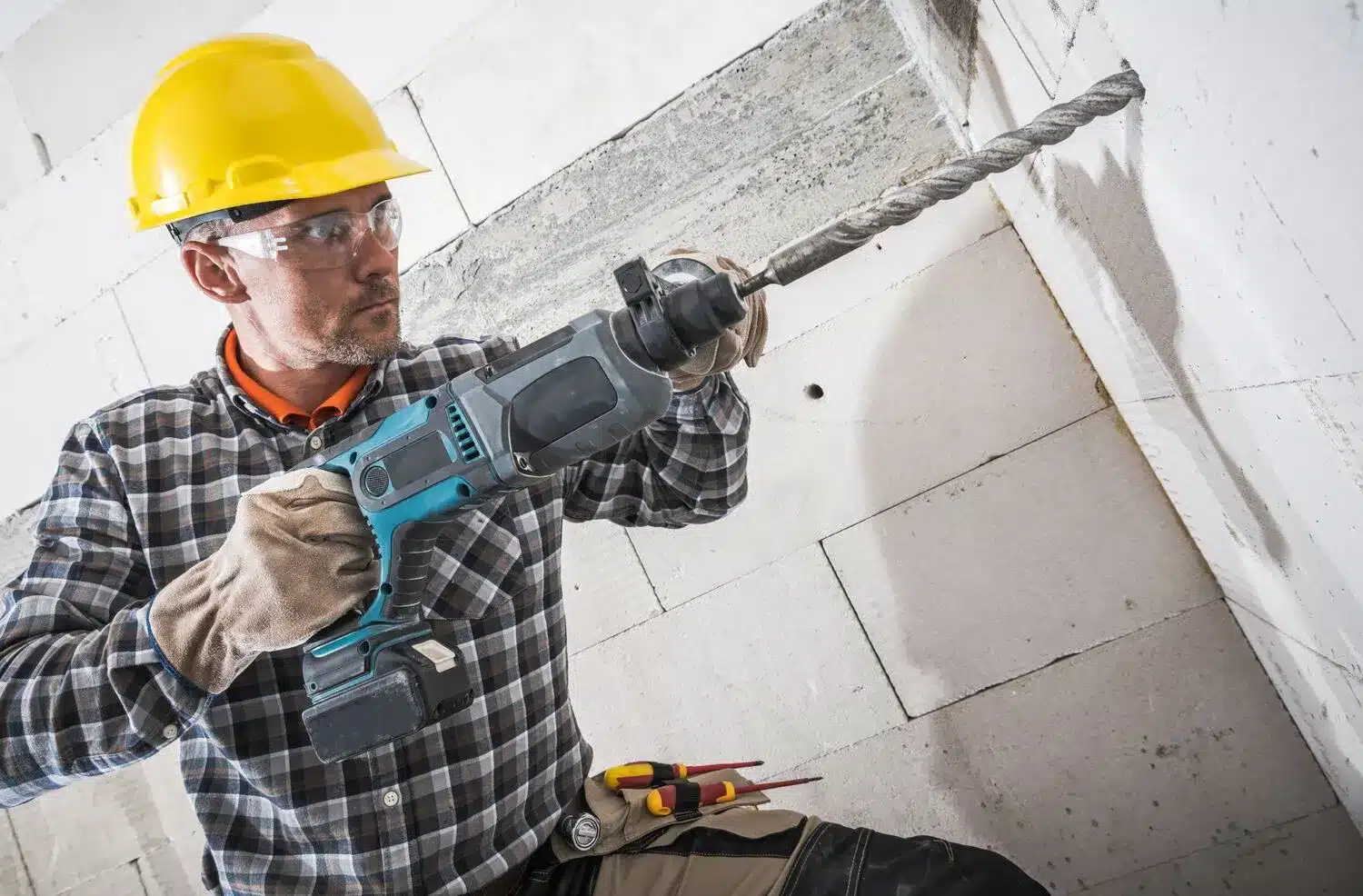
Wearing the right protective gear is key when using a hammer drill. This includes safety glasses to keep your eyes safe from any bits that might fly up, ear plugs or muffs to protect your hearing from the loud noise, and a mask to keep you from breathing in dust which can be bad for your lungs.
When I work on my own home improvement projects or at my job, I make sure my glasses fit right and don’t slip off. I pick ear protection that really cuts down the noise, because if my ears are around loud sounds too much, it could hurt my hearing in the long run. The mask I use keeps out the tiny harmful bits I don’t want to breathe in.
It’s important to wear this gear, not just because it’s a rule, but because it keeps me healthy. When I gear up this way, I’m not just doing what’s recommended, I’m taking control of my safety and doing my job without risking my health.
Proper Handling Techniques
After discussing why it’s important to wear the right safety gear, let’s now look at the best way to use a hammer drill. This will help you work well and stay safe. Remember to keep a strong hold on the drill and stand the right way so you can manage it without trouble. Here are the key steps I follow:
- Position: Stand with your feet about as far apart as your shoulders to stay steady.
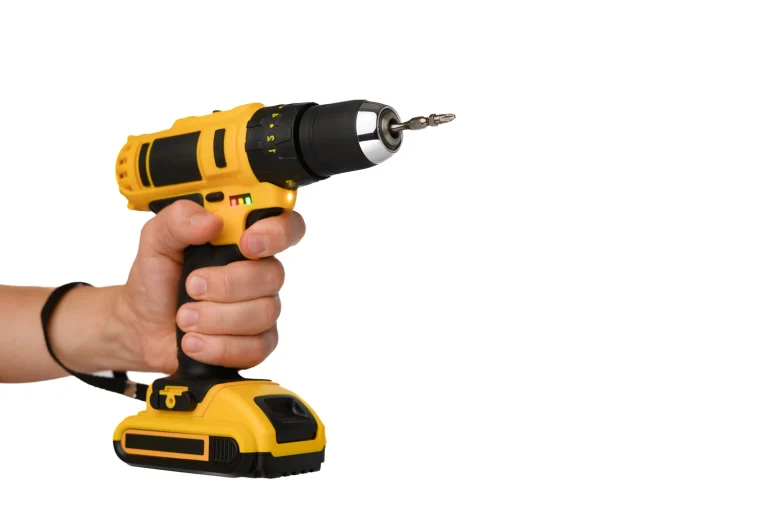
- Hold: Keep one hand on the main handle and the other on the extra handle.
- Force: Push firmly but gently. The drill is made to do the hard work for you.
- Aim: Hold the drill straight against the surface to keep it from slipping off.
Knowing these steps is essential for using a hammer drill without getting hurt. When you get good at these, you’ll not only keep yourself safe, but your work will also be neater and better. Remember, knowing how to use your tools correctly gives you the freedom to do your projects with confidence.
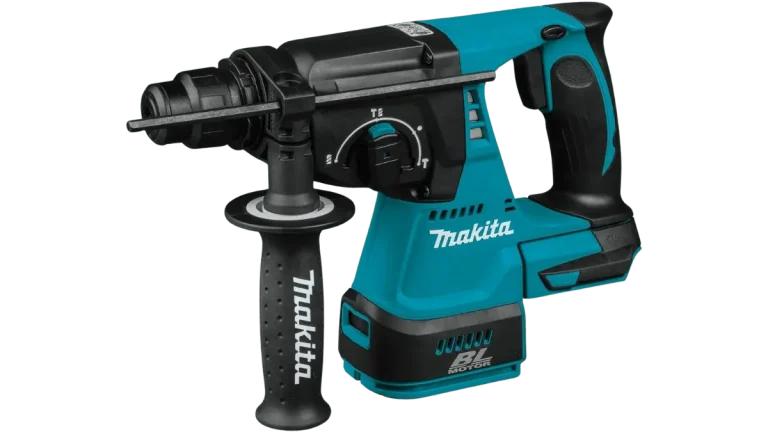
When choosing a hammer drill, I recommend going for one with a comfortable grip and good balance, such as the Bosch RH328VC, which is known for its user-friendly design and effective vibration control. Using the right tool makes following these steps even easier.
Maintenance for Safe Operation
To ensure your hammer drill operates safely and effectively, regular maintenance is crucial.
Always start by checking the power cord for any damage. A frayed or exposed wire isn’t just a safety hazard; it can compromise your drill’s performance.
Then, clean the vents and check for blockages. Overheating is a real risk if the vents are clogged with dust.
Next, inspect the chuck and bit for wear and tear. A damaged bit can lead to dangerous binding or slipping. Replace it immediately if there’s any doubt about its integrity.
Lastly, lubricate any moving parts to keep the mechanism smooth. This prevents excessive strain on the motor and extends the tool’s life.
Frequently Asked Questions
Can I Use a Hammer Drill to Mix Paint or Cement if I Attach the Appropriate Mixing Paddle?
You can definitely use a hammer drill to mix paint or cement as long as you attach the correct mixing paddle. This is important because it ensures that the materials are mixed evenly, which is essential for a good final result. For example, when mixing paint, a well-mixed batch will have consistent color and texture. Similarly, for cement, a uniform mixture is crucial for the strength and stability of the concrete. To do this effectively, you would need a mixing paddle that fits your hammer drill and is suitable for the material you’re mixing. It’s like making sure you have the right ingredients and tools before baking a cake – it leads to the best outcome. When using such equipment, always follow safety guidelines to prevent accidents.
Is It Safe to Modify the Hammer Drill Bit to Fit a Non-Standard Application?
I advise against changing hammer drill bits. It’s not safe and can damage the drill. It’s better to use bits that the drill’s maker says are okay. This will make sure your drill works right and keeps you safe. For example, if you use a bit made for another drill, it could break and hurt you or break the drill. So, always use the right bits, and you’ll be able to work without worrying about safety.
How Do I Safely Manage Long Hair or Loose Clothing When Using a Hammer Drill to Prevent Entanglement?
Before you start working with a hammer drill, make sure to pull my long hair back into a ponytail or bun and keep any baggy clothes tight against my body. This is a crucial step because loose hair or clothing can get caught in the drill, leading to dangerous situations. For example, if your hair got tangled in the drill, it could pull you towards the spinning drill bit or even cause injury. Similarly, if your shirt sleeve got snagged, it could wrap around the drill, and I might lose control. That’s why it’s essential to prepare before drilling — it keeps you safe and lets you focus on the job at hand without worrying about my hair or clothes getting in the way. It’s a good idea to wear fitted clothes or a work apron and to use hair accessories like hair ties or headbands specifically designed for working conditions. Safety should always be the top priority in any DIY or construction project.
Are There Any Specific Health Conditions That Would Make Using a Hammer Drill Unsafe for an Individual?
People with certain medical conditions should be careful about using a hammer drill. For example, if someone has carpal tunnel syndrome, arthritis, or heart problems, they might be at higher risk of complications while using this tool. These conditions could make the vibrations or the physical effort of using a hammer drill more dangerous. That’s why it’s important to talk to a doctor before you start any project that requires this kind of equipment. It’s always better to be safe and get advice tailored to your health needs.
Can a Hammer Drill Be Safely Operated in Wet or Damp Conditions, or Is There a Risk of Electric Shock?
To stay safe, don’t use a hammer drill if it’s wet or damp. Why? Water can cause an electric shock. Make sure both your workspace and the drill are dry before starting. This is because electricity and water are a dangerous mix, and power tools need to be handled carefully. For example, if you’re drilling outside and it starts raining, stop working and wait for everything to dry. If you need to work in potentially wet conditions, consider using a cordless drill that’s rated for such environments. Always read the manual first to be sure. Remember, safety comes first, so take the time to dry things off and keep yourself safe.