Random Orbital Sander vs Palm Sander – How to Choose

When it comes to tackling woodworking and DIY projects, having the right tools can make all the difference.
Sanding, an essential step in achieving a smooth and polished finish, requires the use of specialized sanding tools. Among these, two popular options stand out: the random orbital sander and the palm sander.
In this article, we will explore the key differences between these two sanding powerhouses, helping you make an informed choice for your next sanding endeavor. Whether you’re a seasoned woodworker or a DIY enthusiast, understanding the strengths and limitations of each sander will equip you with the knowledge needed to achieve outstanding results and turn your projects into true works of craftsmanship.
So, let’s delve into the world of sanders and discover which one suits your needs best!

Random Orbital Sander
Definition and How the Sander Works
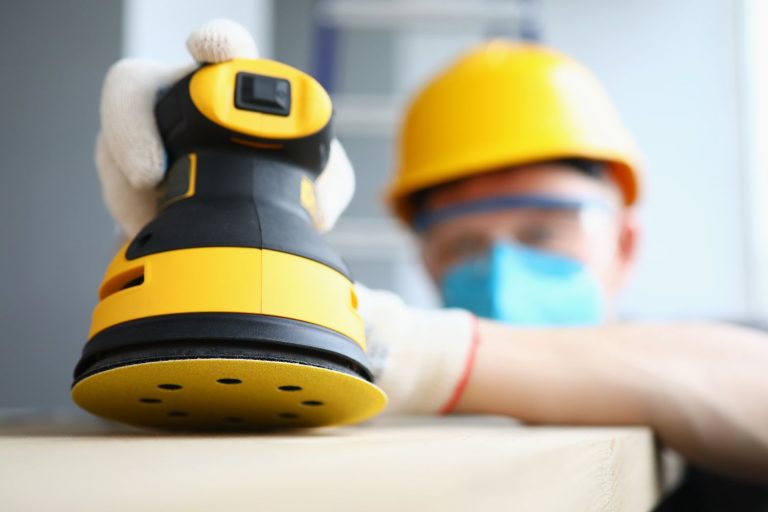
A random orbital sander is a powerful hand-held tool widely used in woodworking and home improvement projects. Its unique design combines the motion of both rotary and orbital sanders, resulting in efficient and versatile sanding capabilities. Unlike traditional sanders that move in a circular motion, a random orbital sander moves in a random pattern, ensuring a swirl-free finish on various surfaces.
The key to the orbital sander’s effectiveness lies in its sanding pad, which not only rotates but also orbits simultaneously. This dual-action movement prevents the sander from leaving unsightly marks or patterns on the material being worked on. The random motion of the sanding pad distributes the sanding force evenly, reducing the risk of over-sanding in one spot, thus achieving a smooth and consistent result.
Advantages of a Random Orbital Sander
Versatility in Sanding Various Materials: The orbital sander’s adaptability allows it to be used on a wide range of materials, such as a piece of wood, metal, plastic, and even painted surfaces. This versatility makes it an excellent tool for different projects, from sanding furniture and cabinets to preparing surfaces for painting or refinishing.
Smooth and Swirl-Free Finish: With its random sanding pattern, this sander excels at creating a flawless, swirl-free surface. It reduces the risk of leaving circular marks, commonly seen with traditional sanders, enhancing the overall appearance of the final product.
Dust Collection Capabilities: Many sanders come equipped with built-in dust collection systems or attachable dust bags. These features help keep the workspace clean and reduce airborne dust particles, making for a healthier and more enjoyable sanding experience.
Limitations of a Random Orbital Sander
Higher Cost Compared to Palm Sanders: One drawback of the orbital sander is its higher price point compared to other sanding tools like palm sanders. The additional features and advanced technology that deliver superior sanding results contribute to its elevated cost.
Requires More Skill to Control Effectively: While it is designed to minimize the risk of leaving marks, it still requires some skill and practice to use an orbital sander properly. Users must maintain a steady hand and apply even pressure to achieve the desired results without damaging the surface.
The random orbital sander offers a blend of power, versatility, and smooth sanding performance, making it a top choice for a wide range of woodworking and finishing tasks. Its ability to create swirl-free finishes and accommodate various materials sets it apart from other sanders. However, its cost and the need for some skill in handling should be considered when determining if it’s the right tool for your specific projects.

Palm Sander
Definition and How the Sander Works
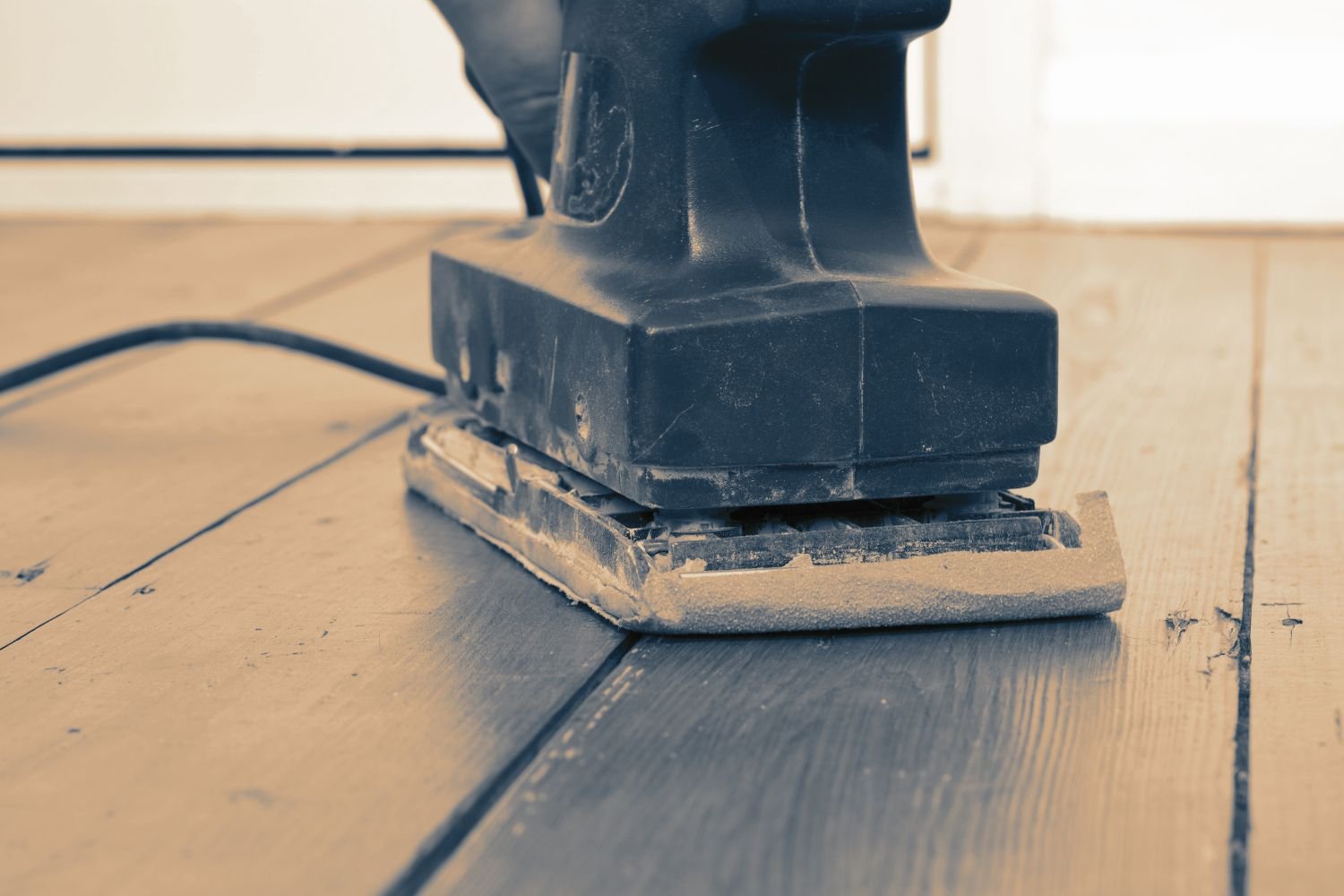
A palm sander, also known as a finish sander or quarter sheet sander, is a compact and lightweight sanding tool that fits snugly in the palm of your hand. It is specifically designed for fine finishing and detail work on smaller surfaces. The palm sander operates with a simple sanding pad that moves in a back-and-forth motion, providing a consistent and even sanding action.
The name “quarter sheet sander” comes from the quarter-sheet size sandpaper it typically uses. This sandpaper is easily attached to the sander’s rectangular sanding pad using clamps or a hook-and-loop system, making it convenient to replace when worn out.
Advantages of a Palm Sander
Lightweight and Easy to Handle: One of the primary advantages of the palm sander is its compact size and lightweight design. It is easy to control, allowing users to maneuver it effortlessly even in tight or intricate spaces. This feature makes it ideal for working on smaller projects or detailed areas that may be challenging to reach with larger sanders.
Ideal for Small, Detailed Projects: Palm sanders excel at providing precise sanding in tight corners, edges, and intricate designs. Whether you are refinishing a delicate piece of furniture or sanding intricate carvings, the palm sander’s nimble size ensures that you can achieve the perfect finish without compromising the finer details.
Lower Cost Compared to Orbital Sanders: Palm sanders are generally more affordable than orbital sanders. If you’re on a budget or only require a sander for occasional use, a palm sander can be a cost-effective choice.
Limitations of a Palm Sander
Limited Sanding Power for Heavy-Duty Tasks: Palm sanders are not as powerful as random orbital sanders, and they may struggle when dealing with tougher materials or heavy-duty sanding tasks. Attempting to force a palm sander into heavy workloads might result in longer sanding times and uneven finishes.
May Leave Visible Swirl Marks on the Surface: Due to its back-and-forth sanding motion, a palm sander can sometimes leave faint circular marks on the surface being sanded. While these marks may not be noticeable on some materials, they can become more apparent on certain surfaces or when using coarser sandpaper.
The palm sander is a handy tool, especially suited for delicate and smaller-scale projects that require precision sanding. Its lightweight design and maneuverability make it a popular choice for achieving a smooth finish in tight spaces and detailed areas. However, it may not be the best option for heavy-duty sanding tasks, and users should be aware of the potential for subtle swirl marks on the surface. Weighing its advantages and limitations against the specific requirements of your project will help determine if the palm sander is the right tool for your sanding needs.

Random Orbital Sander vs Palm Sander – Key Comparisons
When it comes to sanding tools, the choice between a random orbital sander and a palm sander can significantly impact the quality and efficiency of your woodworking and DIY projects. Let’s delve into a detailed comparison of these two sanders across various aspects to help you make an informed decision.
1. Performance and Sanding Quality
Orbital Sander: The orbital sander boasts superior performance with its dual-action motion, providing efficient sanding with minimal swirl marks. Its random sanding pattern ensures a smooth and even finish on a wide range of materials, making it an excellent choice for achieving professional-grade results.
Palm Sander: While the palm sander is adept at delivering precise sanding in smaller areas, it may fall short in terms of overall performance. Its back-and-forth sanding motion can leave faint swirl marks on the surface, which might be more noticeable, especially when using coarser sandpaper.
2. Versatility and Application
Orbital Sander: The orbital sander shines in versatility, making it suitable for various tasks. From sanding large flat surfaces to curved edges, this sander can handle different materials like wood, metal, and paint, making it a go-to tool for multiple projects.
Palm Sander: The palm sander’s strength lies in its ability to tackle detailed work and smaller projects effectively. It excels at sanding tight corners and intricate designs, but its limited power might not be ideal for heavy-duty tasks or large surface areas.
3. Ergonomics and User-Friendliness
Orbital Sander: Due to its larger size and more robust motor, the orbital sander might be slightly heavier and more challenging to maneuver for extended periods. However, many models come with ergonomic handles and features designed to reduce hand fatigue during prolonged use.
Palm Sander: The palm sander’s compact and lightweight design provides excellent maneuverability and easy handling. Its user-friendly nature makes it an excellent option for beginners or those who prioritize comfort during sanding tasks.
4. Dust Collection and Cleanliness
Orbital Sander: Orbital sanders typically come with effective dust collection systems or dust bags that efficiently capture sanding debris. This feature not only keeps the workspace cleaner but also improves air quality by reducing airborne dust particles.
Palm Sander: While some palm sanders may have basic dust collection capabilities, they may not be as efficient as those found in random orbital sanders. As a result, using a palm sander might lead to more dust buildup in the workspace.
5. Cost and Budget Considerations
Orbital Sander: Given its advanced technology and enhanced sanding capabilities, orbital sanders often come with a higher price tag compared to palm sanders. However, for serious woodworkers or those with frequent sanding needs, the investment can be well worth it.
Palm Sander: Palm sanders are generally more budget-friendly, making them an attractive option for occasional or lighter sanding tasks. If you have limited sanding requirements or are on a tight budget, a palm sander might be the more cost-effective choice.
The choice between a random orbital sander and a palm sander depends on your specific needs and projects. If you prioritize top-notch sanding performance, versatility, and handling larger projects, the random orbital sander might be the better option. On the other hand, if you require precision sanding for smaller-scale work and have a limited budget, the palm sander can be a practical and efficient choice. Understanding the differences in performance, versatility, ergonomics, dust collection, and cost will empower you to select the perfect sander to achieve outstanding results in your sanding endeavors.
Making the Right Choice Between an Orbital Sander and Palm Sander
Choosing the appropriate sander for your woodworking or DIY projects can significantly impact the outcome of your work. Both the orbital and palm sander have their unique strengths and weaknesses, making it essential to consider various factors to make an informed decision.
1. Identifying Your Needs and Projects
Before selecting a sander, carefully assess your specific sanding requirements and the nature of your projects. Consider the size of the surfaces you’ll be sanding, the type of materials involved, and the level of precision required. If you frequently work on larger projects or a variety of materials, the random orbital sander’s versatility and superior sanding performance might be a better fit. However, if your projects involve intricate details or smaller-scale work, the palm sander’s precision and maneuverability could prove more beneficial.
2. Considering Available Budget and Cost
Budget considerations play a crucial role in the decision-making process. Orbital sanders, with their advanced features and technology, often come with a higher price tag than palm sanders. If you have a limited budget or only need a sander for occasional use, a palm sander might be the more cost-effective choice. However, keep in mind that investing in a higher-quality random orbital sander could provide long-term benefits for frequent sanding tasks.
3. Weighing the Pros and Cons
Carefully evaluate the advantages and limitations of each type of sander based on your needs and preferences. The orbital sander’s strengths lie in its efficient sanding performance, versatility, and swirl-free finish. On the other hand, the palm sander excels in precision and ease of use for smaller and detailed projects. Consider how each sander aligns with your specific projects and how well they meet your sanding expectations.
4. Seeking Expert Advice and Reviews
When in doubt, seek advice from experienced woodworkers, professionals, or knowledgeable salespeople at hardware stores. They can provide valuable insights and recommendations based on their expertise and experiences. Additionally, read reviews and testimonials from other users to gain a broader understanding of each sander’s performance, durability, and user-friendliness. Online platforms, woodworking forums, and reputable websites often host such reviews, helping you make a more informed decision.
Making the right choice between a palm sander and orbital sander requires careful consideration of your specific needs, available budget, and the nature of your projects. Identifying the scope of your sanding tasks, weighing the pros and cons of each sander, and seeking expert advice or user reviews will equip you with the necessary knowledge to select the ideal sander that aligns with your sanding requirements and woodworking goals. Remember, the right choice will not only enhance the quality of your work but also contribute to a more enjoyable and efficient sanding experience.
Final Thoughts
In the world of sanding tools, the choice between a random orbital sander and a palm sander is a critical decision that can significantly impact the success of your woodworking and DIY projects. Each sander offers unique strengths and capabilities, catering to specific sanding needs and project requirements.
Whether you opt for the superior versatility of the random orbital sander or the precision and maneuverability of the palm sander, both tools have their place in the workshop. Embrace the strengths of your chosen sander, and let it become a trusty companion on your journey to creating exceptional and polished pieces of craftsmanship. With the right sander in hand, your projects are bound to flourish, leaving you with a sense of satisfaction and pride in every finished piece.