

Random Orbital Sander vs Sheet Sander – Which is Which?

Are you in need of a power sander but unsure which type to choose? Look no further than this comprehensive article comparing the random orbital sander and the sheet sander. When it comes to sanding, having the right tool can make all the difference in achieving the desired results. With our thorough analysis, you’ll gain the knowledge and control to make an informed decision.
The random orbital sander and the sheet sander are two popular options with distinct features and benefits. Whether you’re a professional carpenter or a DIY enthusiast, understanding the differences between these two sanders is essential for efficient and effective sanding.
In this article, we will delve into the details of both the orbital sander and the sheet sander, exploring their unique functions, advantages, and limitations. By the end, you’ll have a clear understanding of which sander is best suited to your specific sanding needs.
So, let’s dive in and discover the world of power sanders.
Understanding the Random Orbital Sander
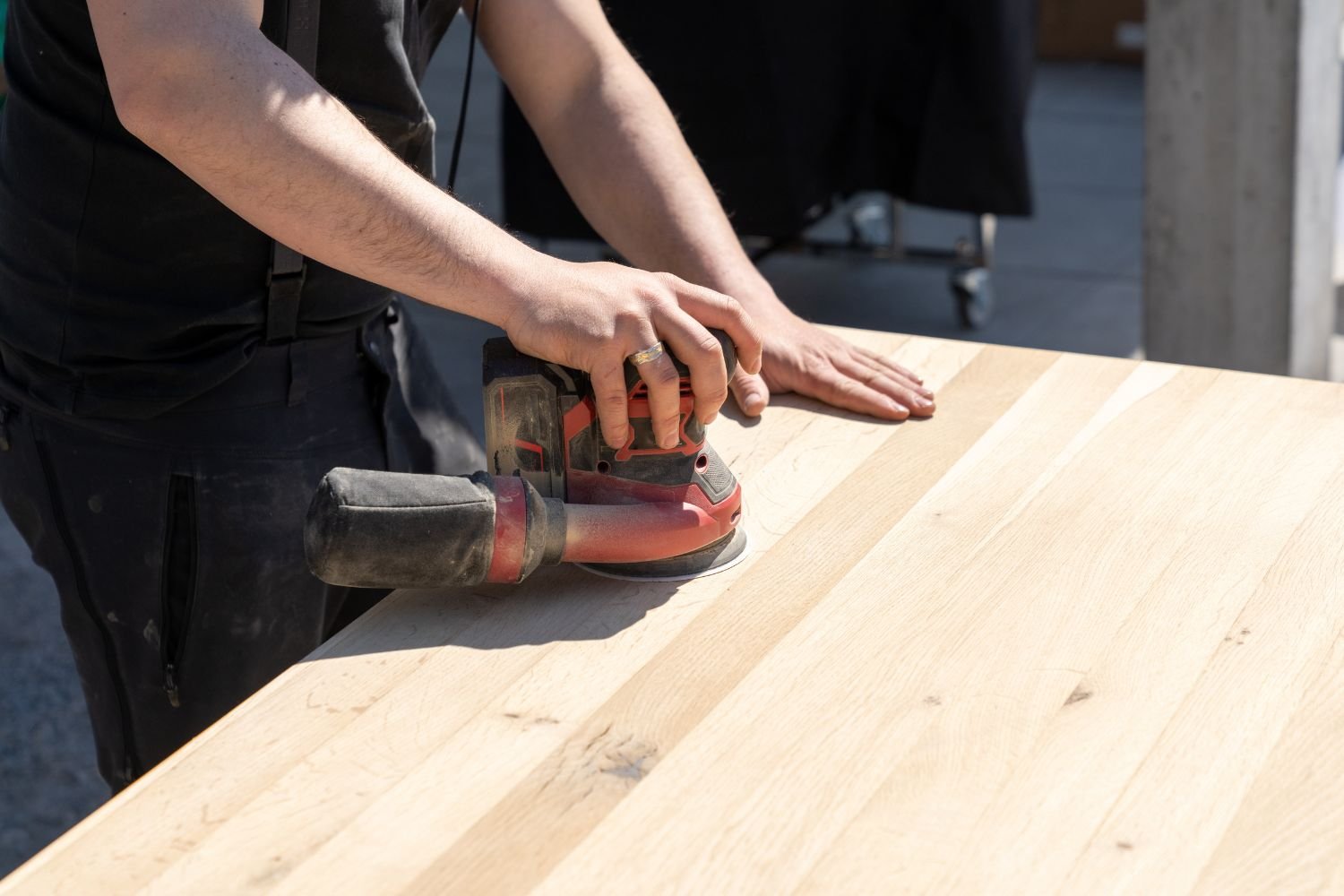
If you’re considering adding a random orbital sander to your toolkit, you’re in for a treat! This versatile little gem is a game-changer when it comes to sanding projects.
How the Random Orbital Sander Works
The magic behind the random orbital sander lies in its name. Unlike traditional sanders that move in a linear or circular motion, random orbital sanders use both movements. The sanding pad not only rotates in a circle but also moves in an elliptical pattern. This dual-action creates a “random” sanding pattern, preventing unsightly swirls or marks on your precious workpiece.
Advantages of the Random Orbital Sander
Smooth as Butter: One of the standout features of this sander is its ability to deliver a remarkably smooth finish. The random sanding pattern ensures that no abrasive particles travel in the same path, minimizing the chances of leaving behind visible sanding marks.
Master of All Surfaces: Whether you’re sanding wood, metal, plastic, or even fiberglass, the orbital sander is your go-to tool. Its versatile nature allows it to adapt effortlessly to different materials and surfaces, making it a favorite among DIY enthusiasts and professionals alike.
Goodbye Sanding Marks: With traditional sanders, you may encounter issues like “cross-grain” scratches. The random orbital sander’s circular and random motion eliminates this problem, leaving behind an even, uniform finish.
Limitations of the Random Orbital Sander
Slower Material Removal: While the random orbital sander shines in providing a smooth finish, it may not be the fastest at removing a large amount of material. If you have a particularly rough or thick surface that requires aggressive sanding, you might need to consider other options.
Cost Considerations: As with any high-performing tool, quality comes at a cost. Random orbital sanders tend to be slightly pricier than other sanders on the market. However, the investment is often worth it, given the exceptional results and versatility it offers.
Remember, every tool has its strengths and limitations, and the random orbital sander is no exception. If your project involves achieving a flawless finish and you’re willing to trade a bit of speed for perfection, this sander could be your ultimate sanding companion.

Understanding the Sheet Sander
Now, let’s shine the spotlight on the ever-reliable sheet sander. If you’re tackling large, flat surfaces, this workhorse might just be the tool you need!
How the Sheet Sander works
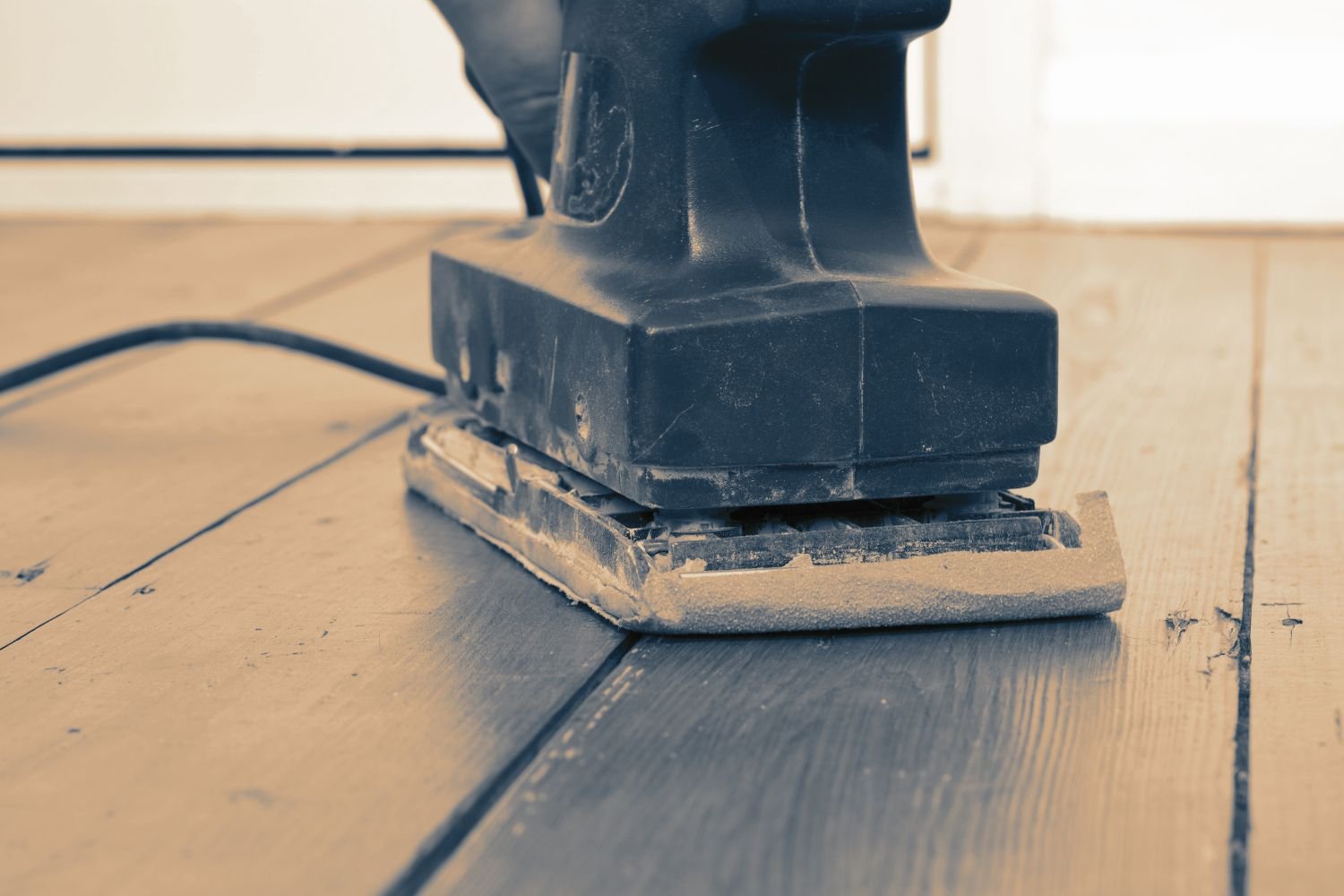
The sheet sander, also known as a finishing sander, operates with a simple yet effective mechanism. It features a square or rectangular sanding pad to which pre-cut sandpaper sheets are attached. As you power it up, the sheet sander moves in a back-and-forth motion, providing consistent and even sanding across wide areas.
Advantages of the Sheet Sander
Swift Material Removal: If you’re dealing with extensive sanding tasks, the sheet sander has got your back! Its large sanding pad and powerful motor allow it to remove material quickly and efficiently. Whether it’s smoothing a table’s surface or preparing a wooden floor for refinishing, the sheet sander can save you valuable time and effort.
Budget-Friendly Option: For those conscious of their budget, the sheet sander comes to the rescue. Compared to some other sanders, it is often more affordable and readily accessible, making it a popular choice for beginners and DIY enthusiasts on a tight budget.
User-Friendly Experience: Don’t fret if you’re new to sanding; the sheet sander is incredibly user-friendly. Its straightforward design and uncomplicated operation make it a breeze to handle, allowing you to dive into your project with ease.
Limitations of the Sheet Sander
Sanding Marks Alert: Due to its linear sanding motion, the sheet sander may leave noticeable sanding marks on the surface if not used with care. It’s crucial to maintain a consistent sanding pattern and avoid dwelling in one spot for too long to prevent this issue.
Not Ideal for Curved Surfaces: While the sheet sander excels at flat surfaces, it may struggle when it comes to curved or intricate designs. Its rigid sanding pad restricts its adaptability to more complex shapes, which is where other sanders like the Random Orbital Sander come into play.
In a nutshell, the sheet sander is your go-to choice for projects that demand swift material removal on large and flat surfaces. Its wallet-friendly price and ease of use make it a popular choice for various applications. Just keep in mind its limitations when working on intricate or curved designs.
Random Orbit Sander vs Sheet Sander Comparison
Now that we’ve explored the unique features of both the random orbital sander and the sheet sander, it’s time to put them in the ring for a head-to-head showdown. Let’s see how the pros and cons of these sanders stack up in various crucial aspects:
1. Performance in Material Removal
Random Orbital Sander: The random orbital sander shines in delivering smooth and refined finishes, but when it comes to rapid material removal, it might not be the speediest contender. If your project requires gentle finesse and meticulous detail work, this sander’s precision will surely impress.
Sheet Sander: When you need to tackle larger surfaces or remove a lot of material swiftly, the sheet sander is the undisputed champion. Its larger sanding pad and back-and-forth motion make it a powerhouse for projects that demand efficient material removal.
2. Surface Finish Quality
Random Orbital Sander: Achieving a flawless surface finish is where the random orbital sander truly excels. Its unique, random sanding pattern ensures an even distribution of sanding strokes so you won’t leave swirl marks. Perfect for those who demand an immaculate end result.
Sheet Sander: While the sheet sander does an excellent job at smoothing flat surfaces, it may leave behind noticeable sanding marks due to its linear sanding motion. If you’re looking for a glassy-smooth finish, a bit of extra attention might be needed when using the sheet sander.
3. Versatility and Adaptability
Random Orbital Sander: The random orbital sander is the chameleon of sanders, adapting effortlessly to various materials and surfaces. From wood to metal to plastic, this sander can handle it all. Its versatility makes it a top choice for projects with multiple surface types.
Sheet Sander: While the sheet sander is a master of flat surfaces, it may struggle with more complex shapes. Its rigid sanding pad limits its ability to reach into tight corners or work on curved designs. For those intricate details, you might want to consider the random orbital sander.
4. Ease of Use and User Friendliness
Random Orbital Sander: There’s a reason this is also called a palm sander. With its ergonomic design and user-friendly operation, the random orbital sander is a breeze to handle without too much hand fatigue. Even if you’re a beginner, you’ll find this sander easy to control, making it a favorite among DIY enthusiasts and professionals alike.
Sheet Sander: If simplicity and straightforwardness are what you seek, the sheet sander won’t disappoint. Its uncomplicated setup and intuitive operation make it a great choice for first-time sanders or those who want to get the job done with minimal fuss.

When to Use a Random Orbital Sander
Let’s dive into the scenarios where this incredible tool truly shines, so you can make the most of its unique capabilities!
Best Project Types and Materials
Woodworking Marvels: When it comes to woodworking projects, the random orbital sander is an absolute must-have. Whether you’re sanding intricate carvings, smoothing out edges, or prepping a wooden surface for staining, this sander will be your faithful companion.
Refinishing Furniture: Reviving a tired, old piece of furniture? The random orbital sander will be your secret weapon! It can effortlessly strip away old finishes and varnishes, revealing the beautiful wood underneath, all while leaving a smooth canvas for refinishing.
Metalworking Marvels: Surprisingly, the random orbital sander isn’t just a woodworking wizard; it also works wonders on metal surfaces. From removing rust to prepping metal for painting or polishing, this sander’s adaptability extends to various metalworking tasks.
Specific Advantages for Certain Tasks
Sanding Between Coats: When you’re applying multiple coats of finish or paint, the random orbital sander shines. Its ability to deliver an even, smooth surface makes it ideal for lightly sanding between coats, ensuring a flawless final result.
Curved or Contoured Surfaces: The random orbital sander’s random sanding pattern is a boon for curved or contoured surfaces. Unlike traditional sanders, it won’t leave behind telltale sanding marks, making it perfect for projects with intricate designs.
Minimizing Swirl Marks: Have you ever finished a project with visible swirl marks from sanding? Fear not, the random orbital sander minimizes the risk of these unsightly marks, giving you the confidence to achieve that showroom-worthy finish.
Fine Finishing Touches: If your project demands the utmost precision and a smooth, blemish-free surface, the random orbital sander is your go-to. From delicate scrollwork to the final touches on a DIY masterpiece, this sander excels at delivering impeccable results.
In a nutshell, the random orbital sander is your all-in-one sanding solution for a wide array of projects. Its ability to tackle different materials and its precision in delivering smooth finishes make it an invaluable tool in any DIY enthusiast’s arsenal.
When to Use a Sheet Sander
Let’s dive into the scenarios where this straightforward yet powerful tool truly shines, helping you achieve a smooth and polished finish with ease.
Best Project Types and Materials
Large, Flat Surfaces: When you’re working on sizeable, flat surfaces like tabletops, doors, decks, or wooden floors, the sheet sander is the perfect match. Its wide sanding pad efficiently covers more ground, making quick work of sanding those expansive areas.
Preparing for Paint or Finish: If your project involves prepping surfaces for paint, stain, or varnish, the sheet sander is your go-to choice. Its even sanding motion helps to create an ideal canvas, ensuring a flawless application of your chosen finish.
Removing Old Paint or Varnish: Stripping away old layers of paint or varnish from furniture or wooden surfaces can be a daunting task. Fear not, the sheet sander’s powerful material removal capabilities make it a fantastic choice for these restoration projects.
Specific Advantages for Certain Tasks
Fast Material Removal: The sheet sander’s back-and-forth motion allows for rapid material removal, making it a time-saving tool when you have extensive sanding to do. It’s a real game-changer when you need to complete large projects efficiently.
Sanding Doors and Cabinets: Refinishing doors and cabinets often involves sanding large, flat surfaces. The sheet sander’s wide sanding pad ensures consistent sanding, making this task a breeze for DIY enthusiasts and professionals alike.
Refurbishing Wooden Floors or Decks: When breathing new life into worn-out wooden floors or decks, the sheet sander is your best friend. Its powerful sanding action smoothens out imperfections and blemishes, readying the floor for a fresh coat of stain or sealant.
Balancing Budget and Performance: If you’re looking for a sander that won’t break the bank but delivers excellent results on various projects, the sheet sander is a cost-effective option that doesn’t compromise on performance.
In summary, the sheet sander proves its worth on projects that involve sanding large, flat surfaces and removing old finishes. Its ability to tackle material removal swiftly makes it an ideal choice for time-sensitive tasks.
Final Thoughts
When it comes to choosing between a random orbital sander and a sheet sander, the decision ultimately depends on the specific needs and preferences of the user.
Both sanders have their advantages and disadvantages, and understanding these differences is crucial in making an informed decision.
A random orbital sander offers versatility and a swirl-free finish. It can be used for various tasks, such as sanding wood, metal, or plastic. The random orbit motion helps prevent swirl marks on the surface, resulting in a smoother finish. Additionally, this type of sander usually comes with a dust collection system, which helps keep the work area cleaner.
On the other hand, a sheet sander excels in flat surface sanding. It is ideal for sanding large areas, such as walls or tabletops. The rectangular shape of the sanding pad allows for better coverage and efficiency. Sheet sanders are also generally more affordable compared to random orbital sanders, making them a popular choice for budget-conscious users.
Consider your project requirements and budget to determine which sander will best meet your needs. If you require versatility and a swirl-free finish, a random orbital sander may be the better option. However, if you primarily need to sand flat surfaces and are on a tight budget, a sheet sander could be the more suitable choice.


