The SDS Hammer Drill – A Must-Have Tool for Every DIYer?

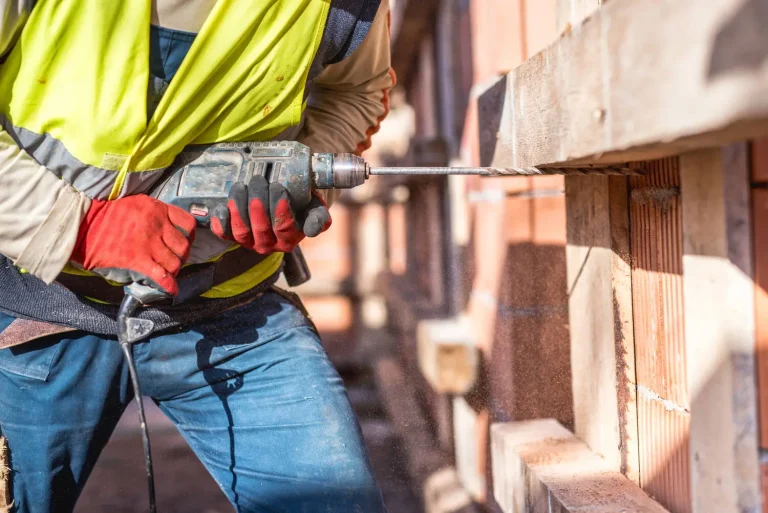
SDS hammer drills have revolutionized the world of drilling and are an essential tool for construction and DIY projects. These powerful drills use the slotted drive system (SDS) to deliver impressive drilling performance and speed. SDS hammer drills are perfect for drilling through tough materials like concrete, masonry, and metal.
The history of SDS hammer drills dates back to the early 1970s when Bosch, a German company, introduced the SDS system. This innovative system quickly became a game-changer for the industry, and its popularity soon spread worldwide. The SDS system allowed drill bits to be easily changed and locked in place, eliminating the need for a chuck key. This feature was a significant improvement from traditional drills, which required a lot of effort to change bits, and it made the process quicker and more efficient.
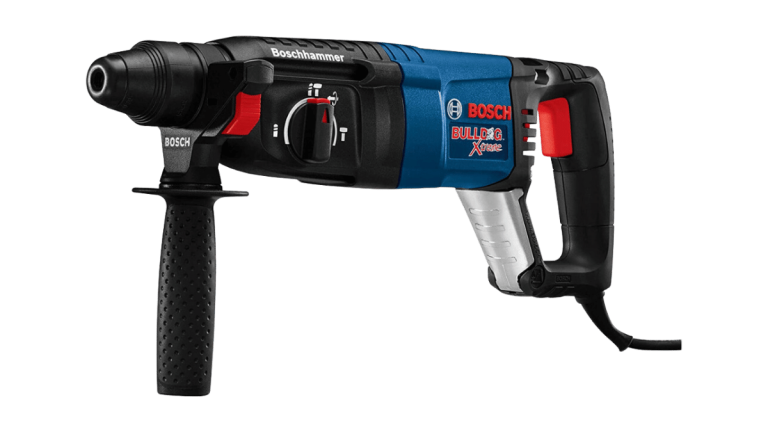
Nowadays, SDS hammer drills come in various types, including SDS, SDS-Plus, and SDS-Max. Each type is designed for different drilling applications and provides a unique set of advantages. For example, the SDS-Plus is ideal for DIY enthusiasts and light construction work, while the SDS-Max is perfect for more significant construction projects that require more power and force.
SDS hammer drills are an essential tool for any construction project or DIY enthusiast. Their innovative SDS chuck system makes drilling faster, more efficient, and less tiring. The history of SDS hammer drills is a testament to their reliability and effectiveness, and they continue to evolve and improve with new technology. Whether you’re a professional or a DIY enthusiast, SDS hammer drills are a must-have tool for all your drilling needs.
Types of SDS Hammer Drills
When it comes to SDS hammer drills, there are several types to choose from, each with its unique set of advantages and disadvantages. The most common types of SDS hammer drills are SDS, SDS-Plus, and SDS-Max.
SDS
The SDS system is the original design, and it’s still widely used today. It was introduced in the early 1970s and quickly became popular for its ability to make bit changes quick and easy. The SDS system features a special shank that allows drill bits to be easily inserted and removed without the need for a chuck key. While the SDS system is still widely used, it’s not as powerful as some of the newer designs.
SDS-Plus
SDS-Plus hammer drills are an improvement on the original SDS design. The SDS-Plus system features a slightly larger shank, which makes the drill bits more durable and able to withstand more force. SDS-Plus hammer drills are ideal for light to medium-duty drilling tasks and are commonly used for DIY projects. The SDS-Plus system also has the advantage of being compatible with SDS drill bits, making it easy to switch between the two systems.
SDS-Max
SDS-Max hammer drills are the most powerful of the SDS designs. They feature a larger shank, which allows for even more force and torque, making them ideal for heavy-duty drilling tasks. SDS-Max hammer drills are commonly used in construction and demolition projects, where the drill needs to be able to handle tough materials like concrete and stone.
While all SDS hammer drills are powerful tools, they each have their unique advantages and disadvantages. The SDS system is the most versatile, but it’s not as powerful as the newer designs. The SDS-Plus system is an excellent choice for DIY projects, but it may not be powerful enough for more demanding drilling tasks. The SDS-Max system is the most powerful but is also the most expensive.
Choosing the right hammer drill will depend on your specific drilling needs. Whether you’re a DIY enthusiast or a professional, there’s a hammer drill out there that’s perfect for you. When selecting a model, consider the type of drilling you’ll be doing, and choose a drill that offers the right combination of power, speed, and versatility.
💡Is a hammer drill the same thing as a rotary hammer drill?
No, a hammer drill and a rotary hammer drill are not the same thing, although they share some similarities.
A hammer drill is a type of drill that uses a percussive mechanism to create a hammering action in addition to the rotary motion of the drill bit. The hammering action helps to break through hard materials like concrete and masonry. However, a hammer drill is not as powerful as a rotary hammer drill, and it’s typically used for lighter drilling tasks.
On the other hand, rotary hammers are much more powerful tools that are designed to handle heavy-duty drilling tasks. They use a piston mechanism that delivers a powerful pounding action in addition to the rotary motion of the drill bit. Rotary hammers are capable of drilling holes through the toughest materials, including concrete, stone, and metal.
In summary, while both hammer drills and rotary hammers have a hammering action, they differ in terms of power and capability. Hammer drills are ideal for lighter drilling tasks, while rotary hammer drills are designed for heavy-duty drilling in tough materials.
How SDS Hammer Drills Work
To understand how SDS hammer drills work, it’s important to take a closer look at their two main components: the hammer mechanism and the SDS system.
The hammer mechanism in an SDS hammer drill is what sets it apart from other types of drills. This mechanism uses a piston that moves back and forth inside the drill’s body. As the piston moves, it strikes a metal plate, which in turn strikes the back of the drill bit. This creates a hammering action that helps to break through hard materials like concrete and masonry.
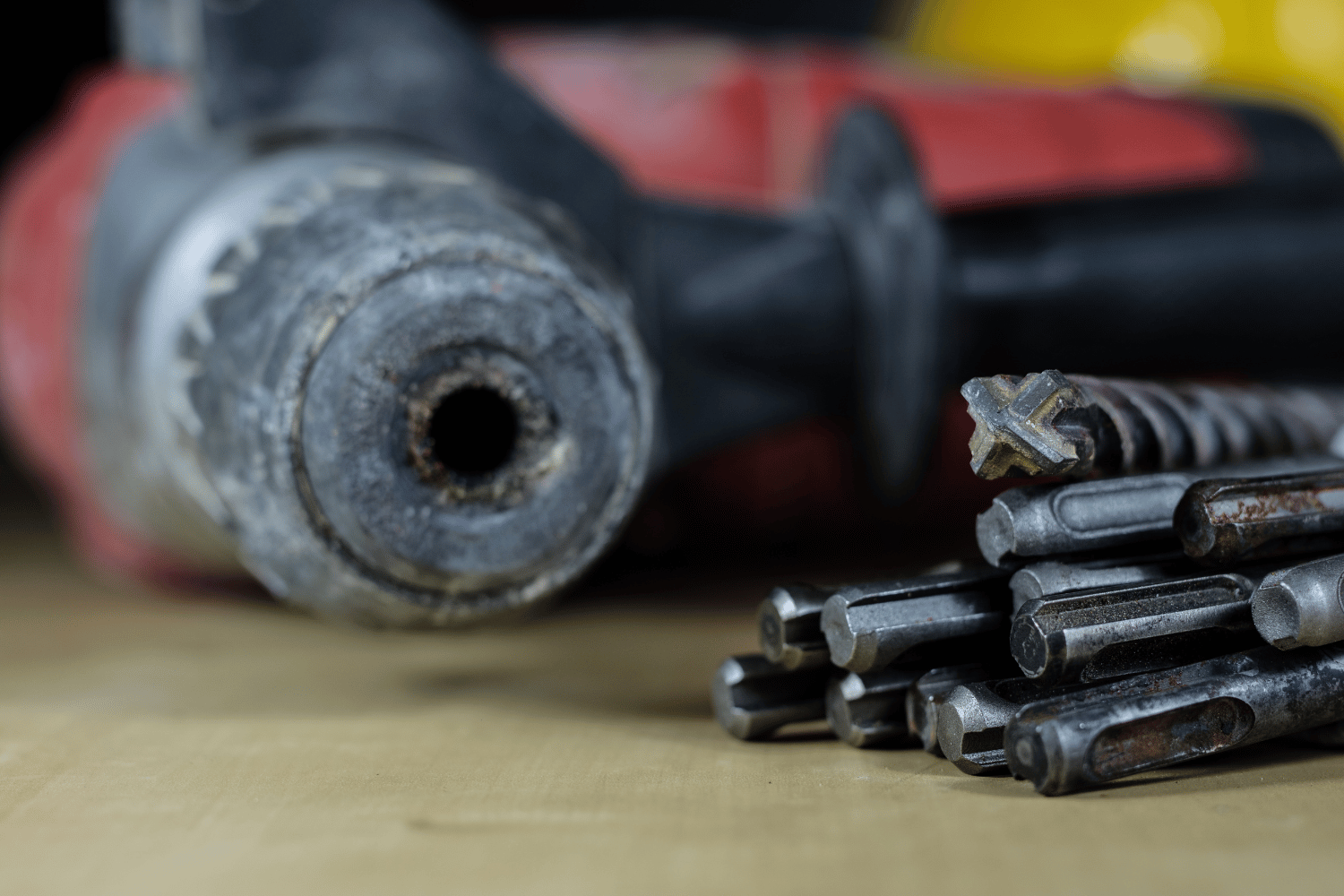
The SDS system is another key component of SDS hammer drills. It features a special shank design that allows for quick and easy bit changes without the need for a chuck key. The shank has two sets of grooves, which lock the bit into place and prevent it from slipping during use.
So, how do the hammer mechanism and SDS system work together to create a powerful drilling tool? The answer lies in the unique combination of these two components. The SDS system also helps to transfer power from the drill to the bit more efficiently. With a traditional drill, power is lost as it’s transferred from the drill to the chuck and then to the bit. With the SDS system, the bit is directly connected to the drill, which helps to maximize power transfer and reduce energy loss.
SDS drills are powerful tools that are capable of handling some of the toughest drilling tasks. The combination of the hammer mechanism and SDS system creates a tool that’s both powerful and efficient. Whether you’re drilling through concrete, stone, or metal, an SDS hammer drill is sure to get the job done quickly and efficiently.
Advantages of Using SDS Hammer Drills
There are many advantages to using SDS hammer drills over traditional drills. Here are just a few of the advantages of using SDS hammer drills:
Increased Drilling Speed and Efficiency
One of the main advantages of using SDS hammer drills is that they are faster and more efficient than traditional drills. The hammering action of the drill helps to break through hard materials like concrete and masonry more quickly, which means that you can get your drilling done in less time. Additionally, the SDS system allows for quick and easy bit changes, which means that you can switch between different types of bits without having to stop and change out the chuck.
Reduced Operator Fatigue
Another advantage of using SDS hammer drills is that they can help to reduce operator fatigue. Traditional drills require a lot of force to be applied by the operator to break through hard materials, which can be tiring over time. However, SDS hammer drills use a hammering action to break through materials, which means that the operator doesn’t have to apply as much force. This can help to reduce fatigue and make the drilling process more comfortable for the operator.
Reduced Wear and Tear on the Drill and the Operator
Using an SDS hammer drill can also help to reduce wear and tear on both the drill and the operator. Because the hammering action of the drill helps to break through materials more quickly, there is less strain on the drill and its components. Additionally, because the operator doesn’t have to apply as much force, there is less strain on their muscles and joints. This can help to extend the life of the drill and reduce the risk of injury to the operator.
SDS hammer drills are a powerful and efficient tool that can make drilling through tough materials faster and easier. By using a hammering action and an SDS system, these drills offer a number of advantages over traditional drills, including increased drilling speed and efficiency, reduced operator fatigue, and reduced wear and tear on both the drill and the operator. Whether you’re a professional contractor or a DIY enthusiast, an SDS hammer drill is a great investment that will make your drilling tasks easier and more efficient.
Common Uses for SDS Hammer Drills
SDS hammer drills are incredibly versatile tools that can be used for a wide range of drilling applications. Here are some of the most common uses for SDS hammer drills:
Concrete Drilling
SDS hammer drills are ideal for drilling through concrete. The hammering action of the drill helps to break up the concrete, allowing the bit to penetrate more easily. This makes it much faster and easier to drill holes in concrete than it would be with a traditional drill.
Masonry Drilling
In addition to concrete, SDS hammer drills are also great for drilling through other types of masonry materials, such as brick and stone. The hammering action of the drill helps to break up these materials, making it much easier to penetrate them with the drill bit.
Tile and Stone Drilling
SDS hammer drills can also be used for drilling through tile and stone. These materials can be difficult to drill through with traditional drills because they are so hard and brittle. However, the hammering action of an SDS hammer drill makes it much easier to penetrate these materials without cracking or damaging them.
Metal Drilling
Finally, SDS hammer drills can also be used for drilling through metal. While metal is not as hard as concrete or masonry, it can still be difficult to penetrate with a traditional drill. However, an SDS hammer drill can make quick work of metal drilling, thanks to its powerful hammering action.
These are incredibly versatile tools that can be used for a wide range of drilling applications. Whether you’re drilling through concrete, masonry, tile, stone, or metal, an SDS hammer drill can make the process faster, easier, and more efficient. If you’re looking for a powerful and versatile drilling tool, an SDS hammer drill is definitely worth considering.
Tips for Using SDS Hammer Drills
While SDS hammer drills are powerful and efficient tools, they do require some skill and knowledge to use effectively. Here are some tips to keep in mind when using an SDS hammer drill:
Choosing the Right Drill Bit
The first step to successful drilling with an SDS hammer drill is choosing the right hammer drill bits. SDS bits are specifically designed for use with these drills, and they come in a variety of sizes and shapes to suit different applications. Be sure to choose a bit that is appropriate for the material you are drilling and the size of the hole you need to make.
Proper Drilling Technique
To get the most out of your drill, it’s important to use proper drilling technique. Start by setting the drill to the correct mode (drilling, hammer drilling, or hammer only), and then apply firm, steady pressure as you drill. Avoid forcing the drill or applying too much pressure, as this can cause the bit to overheat or become damaged. Additionally, it’s important to use the right speed for the material you are drilling. Consult the manufacturer’s guidelines to determine the best speed for your particular application.
Maintenance and Care of the Drill
Proper maintenance and care of your drill can help ensure its longevity and performance. Always follow the manufacturer’s guidelines for cleaning and maintenance, including regular oiling of the tool’s moving parts and cleaning of the drill bit after each use. It’s also important to store your drill in a clean, dry place when not in use, and to avoid exposing it to extreme temperatures or moisture.
It’s important to choose the right drill bit, use proper drilling technique, and take care of your tool to ensure its longevity and performance. By following these tips, you can get the most out of your power tool and tackle your drilling projects with confidence.
Final Thoughts
SDS hammer drills are an essential tool for anyone working in construction or DIY projects. With their powerful hammer mechanism and unique SDS system, they offer increased drilling speed and efficiency, reduced operator fatigue, and reduced wear and tear on both the drill and the operator.
When choosing an SDS hammer drill, it’s important to consider the specific applications for which you will be using it. SDS and SDS-Plus drills are best for lighter duty applications such as drilling holes into concrete and masonry, while SDS-Max drills are better suited for heavier duty applications such as chiseling and demolition work. Be sure to choose a drill that is appropriate for the material you will be working with and the size of the holes you need to make.
By understanding the different types of SDS hammer drills, how they work, and how to use and maintain them properly, you can tackle even the toughest drilling projects with ease. Whether you’re a professional contractor or a DIY enthusiast needing an occasional hole, an SDS hammer drill is a valuable investment that can help you get the job done quickly and efficiently.