The Ultimate Table Saw Guide – Read This Before You Buy!

When it comes to woodworking projects, few tools are as essential as the table saw. Whether you’re a professional carpenter or an enthusiastic DIYer, having a reliable and efficient table saw can make a world of difference in the quality of your work. In this comprehensive guide, we’ll delve into the world of table saws, saw table guides, and circular table saws to help you make an informed decision when purchasing this indispensable tool.
Understanding the factors to consider before investing in a table saw is crucial. Not only can the right table saw enhance your woodworking capabilities, but it can also ensure your safety and efficiency. So, let’s dive in and explore the key elements you need to know in order to choose the perfect table saw for your needs.
Understanding Table Saws
Definition and Purpose of Table Saws
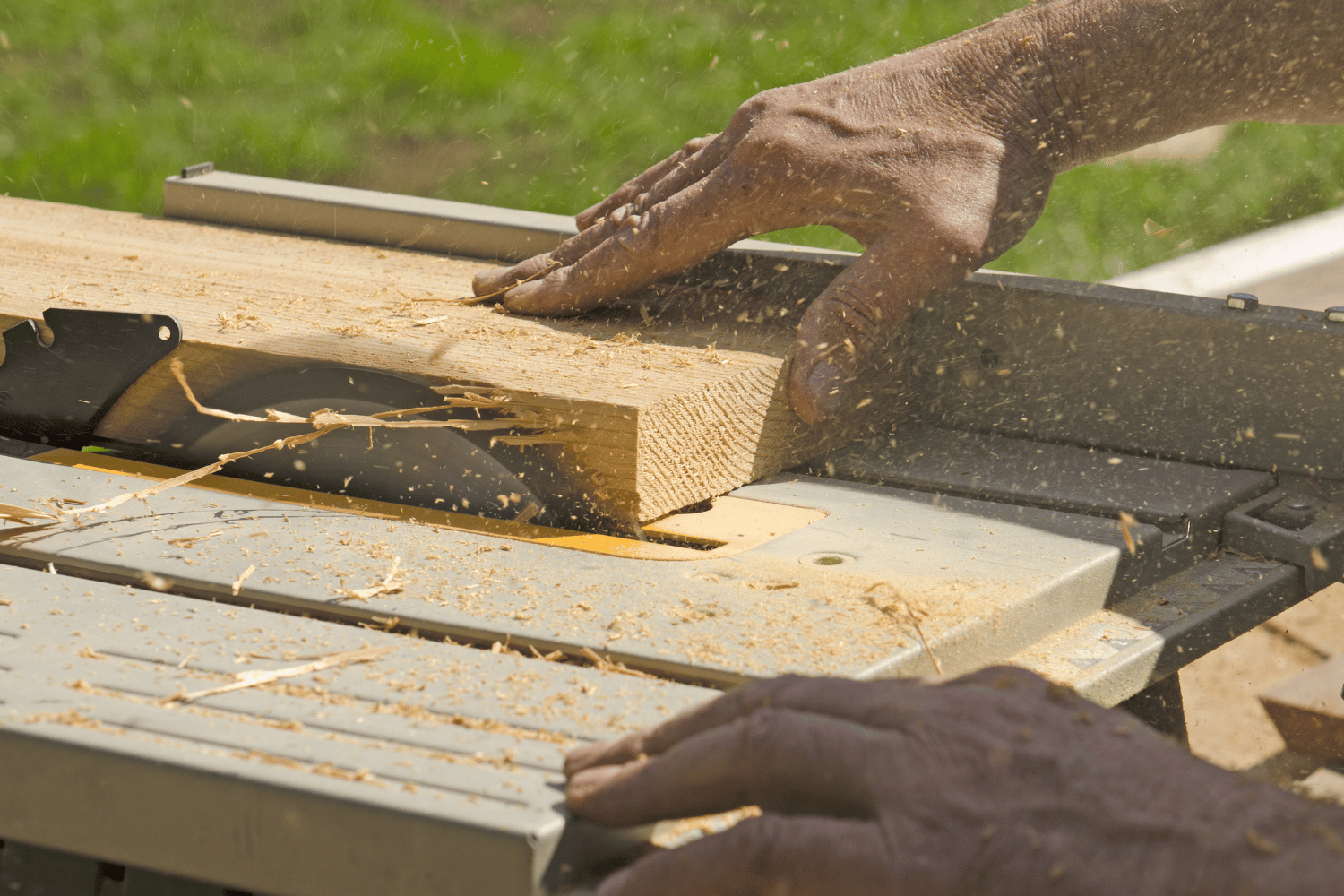
Table saws are versatile power tools designed for making accurate cuts in various materials, particularly wood. They consist of a circular blade mounted on an arbor, which protrudes through the surface of a flat, sturdy table. The blade can be adjusted in terms of height and angle to achieve different types of cuts, such as rip cuts, crosscuts, bevel cuts, and miter cuts. Table saws are commonly used in woodworking projects, furniture making, cabinetry, and construction.
Different Types of Table Saws Available in the Market
Circular Table Saws
Circular table saws, also known as portable or jobsite table saws, are lightweight and highly portable. They are designed for on-the-go use, making them popular among contractors and DIY enthusiasts. These saws typically have a compact size, foldable stands, and wheels for easy transportation. While they may lack some of the advanced features found in larger table saws, portable table saws offer excellent maneuverability and convenience.
Benchtop Table Saws
Benchtop table saws are compact and lightweight, making them suitable for small workshops or jobsites with limited space. These saws are designed to be mounted on a workbench or a table, hence the name. Benchtop saws are often affordable and easy to move around, but they may have a smaller cutting capacity and less power compared to larger models.
Contractor Table Saws
Contractor table saws, sometimes referred to as hybrid table saws, strike a balance between portability and power. These saws are larger and more robust than portable models, making them suitable for professional contractors and serious woodworking enthusiasts. Contractor table saws typically have a durable open-stand design and a powerful motor, providing enhanced cutting capacity and stability. They often come with additional features such as improved dust collection systems and better fence systems for precise cuts.
Cabinet Table Saws
Cabinet Table Saws, also known as stationary table saws, are heavy-duty, top-of-the-line machines designed for professional use and heavy woodworking tasks. These saws feature a robust, enclosed cabinet-style base that provides exceptional stability, reduced vibration, maximum depth, and superior dust collection. A cabinet saw is known for its powerful motor, large cutting capacity, and high-quality components. It offers advanced features like precision fences, easy blade adjustments, and advanced safety systems.
Pros and Cons of Each Type of Table Saw
Most table saws have their own advantages and limitations, depending on your specific needs and budget.
- Circular saw table saws: Pros – Portability, lightweight, ideal for jobsites. Cons – Limited cutting capacity, fewer advanced features.
- Benchtop table saws: Pros – Compact, affordable, easy to move. Cons – Smaller cutting capacity, less power.
- Contractor table saws: Pros – Portable, increased cutting capacity, enhanced stability. Cons – May lack some advanced features found in cabinet saws.
- Cabinet table saws: Pros – Superior power, large cutting capacity, expansive table space, advanced features, excellent stability. Cons – Expensive, heavy, requires dedicated workshop space.
Understanding the different types of table saws and their pros and cons will help you choose the one that best suits your woodworking needs and budget. In the next section, we’ll delve deeper into the factors to consider when purchasing a table saw, including the size, features, and what to look for in a table saw.

Table Saw Buying Guide
Determining Your Needs and Requirements
Before diving into the world of table saws, it’s crucial to assess your specific needs and requirements. Consider the type of woodworking projects you undertake, the materials you work with, and your level of expertise. Are you a professional woodworker who requires a high-powered saw for heavy-duty tasks, or are you a hobbyist seeking a versatile tool for occasional projects? By understanding your needs, you can narrow down your options and make a more informed decision.
Understanding the Importance of Table Saw Size
- What Size Table Saw Do I Need?
Table saw size plays a significant role in determining its capabilities and suitability for different tasks. The size of a table saw is often measured by the diameter of the the saw blade that it can accommodate. Common blade sizes range from 8 to 12 inches, with larger blades offering increased cutting depth and capacity.
- Factors to Consider When Determining the Appropriate Size
When deciding on the size of the table saw you need, consider the following factors:
a. Space: Evaluate the available space in your workshop or workspace. Larger table saws, such as those with 10 or 12-inch blades, require more room for setup and operation.
b. Cutting Capacity: Assess the size and thickness of the materials you typically work with. If you frequently handle large sheets of plywood or thick hardwoods, a table saw with a larger blade size and wider cutting capacity will be more suitable.
c. Portability: If you require a portable or jobsite table saw, smaller sizes like 8 or 10 inches are often more manageable and easier to transport.
Essential Features to Look for in a Table Saw
When purchasing a table saw, it’s important to consider several key features that can greatly impact your woodworking experience. Here are some essential features to look for:
- Motor Power and Cutting Capacity: The motor power determines the cutting efficiency and ability to handle different materials. Look for a table saw with adequate horsepower (HP) to match your cutting needs. Consider the maximum cutting depth and width to ensure it can handle the materials you work with.
- Fence and Table Extensions: A reliable fence system is essential for precise cuts. Look for a table saw with a sturdy and accurate fence that can be easily adjusted. Additionally, table extensions provide support for large workpieces, allowing for safer and more stable cuts.
- Dust Collection System: Woodworking can create a significant amount of sawdust and debris. A table saw with an efficient dust collection system helps maintain a clean and safe working environment.
- Safety Features: Safety should always be a priority when working with power tools. Look for features like a blade guard, an anti-kickback pawl, and a riving knife to minimize the risk of accidents and ensure safe operation.
- Mobility and Portability: If you require a portable table saw, consider features such as folding stands, wheels, and lightweight designs. These features make it easier to transport and store the saw when not in use.
By considering these essential features, you can select a table saw that meets your specific needs and enhances your woodworking experience.
Researching and Evaluating Table Saws
Exploring Different Brands and Models
Once you have a good understanding of your needs and the features you’re looking for in a table saw, it’s time to dive into researching different brands and models. Take the time to explore reputable manufacturers and their product offerings. Look for brands with a strong track record of producing high-quality table saws known for their durability and performance. Check their websites, catalogs, and online marketplaces to get an idea of the range of options available.
Reading Customer Reviews and Ratings
Customer reviews and ratings are invaluable resources when researching table saws. They provide insights into real-world experiences with specific models and brands. Look for reviews on trusted websites, forums, and woodworking communities. Pay attention to both positive and negative feedback to get a well-rounded understanding of each table saw’s strengths and weaknesses. Keep an eye out for comments related to durability, performance, ease of use, and overall customer satisfaction.
Considering Budget Constraints and Value for Money
As with any purchase, it’s important to consider your budget constraints. Table saw prices can vary widely depending on the type, size, and features. Set a realistic budget range and focus on finding the best value for your money within that range. While it may be tempting to go for cheaper table saws, keep in mind that investing in a quality table saw can save you money in the long run by providing better performance, durability, and safety features.
Seeking Recommendations from Woodworking Professionals
If you’re new to table saws or seeking expert advice, don’t hesitate to reach out to woodworking professionals for recommendations. Join online woodworking communities, forums, or social media groups where you can connect with experienced woodworkers who can provide insights and suggestions based on their own experiences. Woodworking professionals often have firsthand knowledge of the best table saw models and can provide valuable guidance tailored to your specific needs.
By researching different brands and models, reading customer reviews and ratings, considering your budget, and seeking recommendations from woodworking professionals, you’ll gather a wealth of information that will assist you in making an informed decision. Remember, it’s important to find a table saw that not only meets your requirements but also offers reliability, performance, and value for your investment.
Making the Right Choice
Analyzing the Gathered Information and Narrowing Down Options
After conducting thorough research and gathering all the necessary information about table saws, it’s time to analyze the data and narrow down your options. Review the features, specifications, customer feedback, and recommendations you’ve collected. Consider the pros and cons of each table saw model in relation to your specific needs and budget. This analysis will help you eliminate options that don’t align with your requirements and identify the table saws that best fit your criteria.
Determining the Best Table Saw Based on Individual Needs and Preferences
Choosing the best table saw ultimately comes down to your individual needs and preferences. Consider the type of woodworking projects you undertake and the specific features that are most important to you. For example, if you require portability, a circular table saw might be the ideal choice. If you prioritize both cutting power, capacity and stability, a cabinet table saw could be the better option. Take into account factors such as motor power, cutting capacity, fence quality, safety features, and overall build quality. By aligning the features and capabilities of a table saw with your specific requirements, you can make an informed decision.
Considering Long-Term Usability and Future Woodworking Projects
When selecting a table saw, it’s crucial to think beyond your immediate needs and consider its long-term usability. Evaluate the versatility of the table saw and how well it can accommodate potential future woodworking projects. Consider the possibility of expanding your skill set and taking on more complex tasks. Choosing a table saw with adjustable features and accessory compatibility can provide flexibility and growth opportunities as your woodworking skills progress. Additionally, think about the availability of replacement parts, accessories, and support for the chosen model to ensure its longevity and continued usability.
By analyzing the gathered information, considering individual needs and preferences, and evaluating the long-term usability and future woodworking projects, you can confidently make the right choice when selecting a table saw. Remember, the goal is to find a table saw that not only meets your current requirements but also offers room for growth and enhances your woodworking experience for years to come.
Final Thoughts
In this article, we’ve explored the world of table saws, delving into the essential information you need to make an informed decision. We discussed the different types of table saws, including circular table saws, benchtop table saws, and contractor saws table saws, and cabinet table saws. We highlighted the pros and cons of each type to help you understand their suitability for various woodworking projects. Moving on, we explored the important factors to consider in our table saw buying guide, such as determining your needs, understanding table saw size, and looking for essential features like motor power, fence quality, dust collection, and safety features.
Investing in the right table saw is crucial for any woodworker, whether you’re a professional or a hobbyist. A well-chosen table saw can significantly enhance your woodworking experience, making your projects more precise, efficient, and enjoyable. By understanding your needs, considering table saw size, and looking for the features that matter most to you, you can ensure that your investment aligns perfectly with your requirements. Remember, a quality table saw is a long-term investment that will serve you well for years to come.
While this article provides a comprehensive guide to buying a table saw, it’s important to remember that each individual’s needs and preferences may vary. We encourage you to conduct further research, explore different brands and models, and read customer reviews to gain a well-rounded understanding of the options available. Seek recommendations from woodworking professionals who can offer valuable insights based on their expertise. By taking the time to gather all the necessary information, you’ll be equipped to make an informed decision that suits your unique woodworking requirements.
In conclusion, a table saw is an essential tool for any woodworking enthusiast. By understanding the different types, considering the appropriate size, and focusing on the features that matter most to you, you’ll be well on your way to finding the perfect table saw for your needs. Remember, woodworking is a journey of creativity and skill, and investing in the right table saw can open up a world of possibilities for your projects.
Find the Best Cabinet Table Saw