Track Saw 101 – Straight Cuts or Bust

Welcome to the world of woodworking, where craftsmanship meets creativity and precision reigns supreme. If you’ve ever marveled at beautifully crafted furniture, intricate cabinetry, or flawless woodwork, you may have wondered about the secret behind those perfect cuts. That secret, my friend, is the track saw. In this pillar article, we will dive deep into the world of track saws, exploring their capabilities, benefits, and how they have revolutionized the woodworking industry.
Woodworking is an art that requires meticulous attention to detail and a keen eye for precision. Traditional tools like circular saws have long been the go-to choice for cutting wood, but they often fall short when it comes to achieving truly straight and accurate cuts. This is where the track saw comes in, bringing a new level of precision and control to the table.
So, What Exactly Is a Track Saw?
Think of it as a portable cutting solution that combines the power and versatility of a circular saw with the guided accuracy of a track system. The track, also known as a rail, acts as a guide for the saw, ensuring smooth and precise cuts along the desired path. With a track saw in hand, woodworkers can bid farewell to the frustrations of wobbly cuts and imprecise lines.
The importance of having a track saw in the world of woodworking cannot be overstated. It opens up a world of possibilities, allowing woodworkers of all skill levels to achieve professional-grade results. Whether you’re a seasoned professional working on complex projects or a passionate DIY enthusiast looking to enhance your woodworking skills, a track saw is a valuable tool to have in your arsenal.
In this article, we will delve deeper into the inner workings of track saws. We will explore their features and capabilities, discussing how they enable precise cuts, enhance versatility, and improve overall efficiency. We will also uncover the various applications of track saws in different woodworking projects, from building furniture to installing flooring and everything in between.
But it doesn’t end there. We will guide you through the process of choosing the right track saw for your needs, considering factors like power sources, track length, and additional features. We’ll also provide essential tips on using and maintaining your track saw for optimal performance and longevity.
So, whether you’re a woodworking enthusiast, a professional craftsman, or someone eager to explore the world of woodworking, join us on this journey as we uncover the wonders of track saws and how they have transformed the way we approach woodworking projects. Get ready to elevate your woodworking game and achieve precision cuts like never before with the remarkable track saw.
How Does a Track Saw Work?
To truly appreciate the capabilities of a track saw, it’s important to understand its inner workings. Let’s take a closer look at the basic components and design elements that make up this remarkable tool.
The Basic Components and Design of a Track Saw
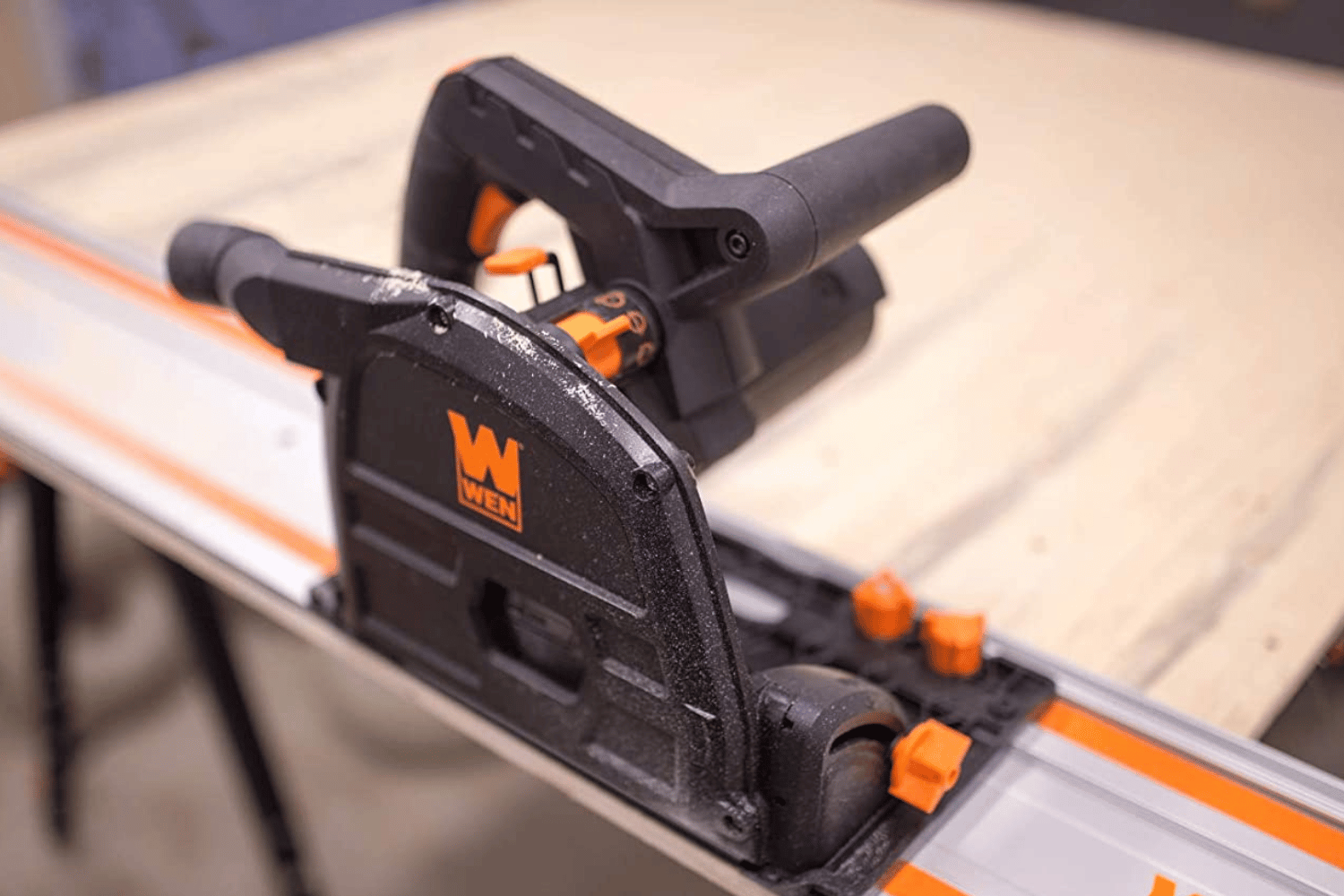
A typical track saw consists of three primary components: the saw itself, the track or rail, and the clamping system. The saw is designed to be lightweight and compact, allowing for easy maneuverability and precise control. It is equipped with a powerful motor, a sturdy base plate, and a retractable blade guard for safety.
The track, or rail, is where the magic happens. It is a long, straight guide made from aluminum or other durable materials. The track is equipped with a series of anti-slip strips or rubberized pads that help keep it firmly in place during use. The saw glides smoothly along the track, ensuring straight and accurate cuts.
The clamping system is an essential component that secures the track to the workpiece, providing stability and preventing any movement during the cutting process. Some track saws feature quick-release clamps or clamping mechanisms that make it easy to attach and detach the track as needed.
Explanation of the Track System and Its Role in Precision Cutting
The track system is at the heart of what makes a track saw so special. It enables woodworkers to achieve unparalleled precision and accuracy in their cuts. But how does it work?
The track is placed on top of the workpiece, and the saw’s base plate glides along the track, guided by the anti-slip strips or rubber pads. This arrangement ensures that the saw moves in a straight line, eliminating the potential for user error and producing flawless cuts.
The track system offers several advantages. First, it provides a consistent cutting path, allowing woodworkers to achieve perfectly straight cuts without the need for additional tools or complex measuring techniques. This precision is especially valuable when working with large panels or sheets of wood.
Second, the track system helps minimize splintering and tear-out. The anti-slip strips or rubber pads on the underside of the track keep the saw blade aligned with the cutting line, reducing the chances of chips and splinters forming along the cut edge.
The Cutting Mechanism and Depth Adjustment Features
Now, let’s talk about the cutting mechanism and depth adjustment features of a track saw. The saw blade extends from the base plate, allowing it to cut through the workpiece with precision and efficiency. The depth of the cut can be adjusted by simply raising or lowering the base plate, providing versatility for different thicknesses of materials.
Depth adjustment mechanisms may vary between track saw models. Some track saws feature a lever or knob that allows for quick and easy depth changes, while others may require the use of a wrench or hex key for adjustment. Regardless of the specific mechanism, the ability to adjust the cutting depth enhances the versatility of the track saw, allowing woodworkers to make plunge cuts, create dadoes, and perform other specialized cutting techniques.
The track saw’s design, track system, and cutting mechanism work harmoniously to provide woodworkers with exceptional control, precision, and versatility. Understanding how these components come together allows for a deeper appreciation of the track saw’s capabilities. In the next section, we will explore the key features and benefits of track saws, further highlighting why they have become an invaluable tool in the world of woodworking.

Key Features and Benefits of Track Saws
Portability and Ease of Use
One of the standout features of track saws is their portability and user-friendly design. Unlike large stationary tools, track saws are compact and lightweight, making them easy to transport and maneuver. This portability allows woodworkers to bring the tool directly to the job site, saving time and effort in moving heavy materials. Additionally, most track saws are designed with ergonomic handles and intuitive controls, ensuring a comfortable and hassle-free cutting experience for users of all skill levels.
Accurate and Straight Cuts
Precision is the name of the game in woodworking, and track saws excel in this area. The guided track system ensures consistently straight cuts, eliminating the need for additional measuring and marking. Woodworkers can confidently follow the track, achieving precise cuts with minimal effort. This accuracy is especially valuable when working with large panels or sheets of wood, where even the slightest deviation can be noticeable. With a track saw, you can say goodbye to crooked cuts and enjoy the satisfaction of flawlessly straight lines.
Versatility in Cutting Various Materials
While track saws are particularly renowned for their woodworking capabilities, they are also versatile enough to cut a wide range of materials. From hardwoods and softwoods to plywood, MDF, and even non-wood materials like plastic or aluminum, a track saw can tackle them all. This versatility makes it a valuable tool for various projects, whether you’re building furniture, installing flooring, or working on custom carpentry. With a track saw in hand, you can confidently approach different materials, knowing that you have the right tool for the job.
Dust Collection Capabilities
Woodworking can generate a significant amount of dust and debris, which not only creates a messy work environment but can also pose health risks. Many track saws come equipped with dust collection systems designed to capture and contain the majority of the generated dust. These systems may consist of dust ports or attachments that can be connected to a vacuum or dust extractor. By effectively capturing dust at the source, track saws help maintain a clean and healthy workspace, reducing cleanup time and protecting your respiratory health.
Compatibility with Other Tools and Accessories
Another advantage of track saws is their compatibility with a range of tools and accessories, allowing woodworkers to expand their capabilities and tackle a variety of tasks. For instance, some track saws can be used in conjunction with guide extensions to increase the cutting capacity for larger materials. Additionally, there are specialized accessories available, such as angle guides, splinter guards, or connectors for joining multiple tracks together. These add-ons provide further flexibility and enhance the functionality of the track saw, adapting it to specific cutting needs or unique projects.
In conclusion, track saws offer a host of features and benefits that make them a go-to tool for woodworking enthusiasts and professionals alike. The combination of portability, ease of use, accurate cuts, versatility, dust collection capabilities, and compatibility with other tools and accessories sets track saws apart from traditional cutting tools. Whether you’re a seasoned woodworker or a passionate DIYer, investing in a track saw will undoubtedly elevate your woodworking experience and empower you to achieve remarkable results in your projects.

Applications of Track Saws
Carpentry and Woodworking Projects
When it comes to carpentry and woodworking, track saws are a game-changer. They offer a wide range of applications that help streamline various tasks and enhance the overall quality of the finished product.
- Cutting Plywood and Sheet Materials: Working with large panels of plywood or other sheet materials can be challenging, especially when you need precise cuts. Track saws excel in this area, allowing you to effortlessly glide along the track and achieve clean, straight cuts without the risk of tear-out or splintering.
- Creating Clean and Precise Crosscuts and Rip Cuts: Whether you’re working on a furniture project or constructing cabinets, track saws make crosscuts and rip cuts a breeze. The guided track system ensures accuracy, allowing you to achieve perfectly straight cuts every time. Say goodbye to uneven edges and hello to professional-looking results.
- Making Plunge Cuts and Angled Cuts: Track saws are not limited to straight cuts alone. With their plunge-cutting capability, you can start a cut anywhere on the material, even in the middle, without the need for a pre-drilled hole. Additionally, track saws often have adjustable bevel angles, enabling you to make precise angled cuts for creating beveled edges or fitting pieces together at specific angles.
Home Improvement and Renovation Tasks
Track saws aren’t just for professional woodworkers; they are also invaluable tools for homeowners looking to tackle home improvement and renovation projects. Here are some common tasks where track saws shine:
- Trimming Doors and Windows: Installing a new door or window requires precise trimming to ensure a perfect fit. A track saw’s accuracy and straight cutting capability make it ideal for trimming doors and windows to the exact size needed.
- Installing Flooring Materials: Whether you’re laying laminate, hardwood, or vinyl flooring, track saws can simplify the installation process. They allow you to make clean and precise cuts, ensuring that flooring materials fit seamlessly together, even in tight spaces or around obstacles.
- Building Custom Furniture Pieces: If you enjoy DIY furniture projects, a track saw is an indispensable tool. From cutting precise angles for table legs to creating custom-sized panels for cabinets or shelves, a track saw helps you bring your furniture designs to life with professional precision.
Professional and Industrial Use
Track saws are widely used in professional and industrial settings, where efficiency, accuracy, and versatility are paramount. Here are some areas where track saws find their application:
- Construction and Remodeling Projects: From framing to finish work, track saws are an asset on construction sites. They make cutting materials like framing lumber, plywood, and drywall faster and more accurate, saving time and effort.
- Cabinet Making and Joinery: Track saws are popular among cabinet makers and joiners due to their ability to deliver precise cuts for constructing cabinets, drawers, and intricate joinery. The track system ensures consistency in sizing and eliminates the need for elaborate jigs or templates.
- Architectural Millwork and Panel Processing: In architectural millwork and panel processing, track saws excel at cutting large panels, such as MDF or melamine, to size. They provide clean and accurate cuts, reducing waste and improving efficiency in the production process.
Track saws have a wide range of applications across various fields. Whether you’re a woodworking enthusiast, a DIY homeowner, or a professional tradesperson, a track saw can significantly enhance your productivity, accuracy, and overall quality of work. From precise cuts in carpentry projects to assisting in home renovations and serving as an indispensable tool in professional settings, the versatility of track saws makes them a must-have for anyone serious about achieving exceptional results.
Choosing the Right Track Saw
When it comes to selecting a track saw, there are several factors to consider to ensure you get the right tool for your specific needs. From power sources to blade selection, let’s explore the key considerations when choosing a track saw.
Power Source Options: Corded or Cordless
One of the first decisions to make is whether you prefer a corded or cordless track saw. Corded track saws provide consistent power without the need to worry about battery life. They are typically more powerful and well-suited for heavy-duty tasks that require continuous cutting. On the other hand, cordless track saws offer unmatched portability and freedom of movement. They are perfect for jobsites or situations where access to power outlets may be limited. Consider your workflow and the nature of your projects to determine which power source option is the best fit for you.
Considerations for Track Length and Compatibility
The length of the track plays a crucial role in determining the maximum cutting capacity of the saw. Longer tracks allow you to cut larger materials, while shorter tracks are more suitable for compact or smaller-scale projects. It’s essential to choose a track length that matches your specific cutting requirements. Additionally, consider the compatibility of the track saw with other track systems. Some manufacturers offer track saws that are compatible with universal track systems, allowing you to expand your track collection and achieve greater versatility in your work. If you’re going to be using the track saw to cut a variety of materials, also consider a multi material track.
Blade Selection and Quality
The choice of the right blade can significantly impact the performance and quality of your cuts. Different materials and cutting tasks require specific types of blades. For example, ripping through solid wood may require a different blade than cutting through melamine or metal. Ensure that the track saw you choose has a wide range of compatible blades available, allowing you to adapt to various materials and achieve clean, precise cuts. Additionally, consider the quality of the blades. Higher-quality blades tend to last longer, deliver smoother cuts, and reduce the risk of tear-out or splintering.
Ergonomics and User Comfort
Since you’ll be handling the track saw for extended periods, ergonomics and user comfort should not be overlooked. Look for a track saw with an ergonomic design, featuring comfortable grip handles and intuitive controls. A well-balanced tool can help reduce fatigue and improve overall control, allowing you to work more efficiently and with greater accuracy. Consider factors such as weight, handle design, and vibration control to ensure a comfortable and enjoyable cutting experience.
Additional Features and Accessories
While the core functionality of a track saw lies in its ability to make accurate cuts, additional features and accessories can enhance its versatility and convenience. Look for features such as an adjustable bevel angle for making bevel cuts or a depth adjustment mechanism for controlling cutting depths. Some track saws may also come with a variable speed motor with multiple speed settings to help you move between different wood and material types. Another common feature is built-in dust collection systems to help keep your workspace clean and free from debris. Additionally, check for compatibility with other accessories, such as guide extensions or splinter guards, which can expand the capabilities of your track saw and improve the quality of your cuts.
By considering factors like power source options, track length and compatibility, blade size selection, ergonomics, and additional features, you can make an informed decision when choosing the right track saw for your woodworking needs. Remember, each woodworker’s requirements may vary, so prioritize the features that align with your specific projects and workflow. With the right track saw in hand, you’ll be equipped to tackle a wide range of cutting tasks with precision and efficiency.
Track Saw Maintenance and Safety Precautions
To ensure the longevity and safe operation of your track saw, it’s essential to follow proper maintenance practices and adhere to safety precautions. By implementing a regular maintenance routine and observing safety guidelines, you can maximize the performance of your track saw and protect yourself from potential hazards.
Cleaning and Lubrication
Regular cleaning and lubrication are key to keeping your track saw in optimal condition. After each use, remove any dust, debris, or buildup that may have accumulated on the tool. Pay particular attention to the track, ensuring it remains free from sawdust or foreign objects that could affect its performance. Additionally, lubricate the moving parts, such as the depth adjustment mechanism and the plunge action, as recommended by the manufacturer. Proper cleaning and lubrication not only improve the lifespan of your track saw but also contribute to smoother operation and more accurate cuts.
Blade Replacement and Sharpening
Over time, blades can wear out or become dull, compromising the quality of your cuts. It’s important to monitor the condition of your blade and replace it when necessary. Follow the manufacturer’s guidelines for blade replacement, ensuring that you select the appropriate blade type and size for the material you’ll be cutting. If your track saw uses replaceable or sharpenable blades, regularly inspect them for signs of wear and sharpen them as needed. A sharp blade not only enhances cutting efficiency but also reduces the risk of kickback or binding during operation.
Proper Handling and Storage
Proper handling and storage of your track saw contribute to its longevity and safety. When handling the tool, always hold it securely and ensure a firm grip on the handle to maintain control during cutting. Avoid placing excessive force or exerting unnecessary pressure on the track saw, as this can strain the motor or compromise the accuracy of your cuts. When not in use, store your track saw in a clean and dry area, preferably in a protective case or dedicated storage rack to prevent damage and minimize the risk of accidental injuries.
Personal Protective Equipment (PPE) Requirements
Personal protective equipment (PPE) is crucial for your safety while using a track saw. Always wear appropriate PPE, including safety glasses or goggles to protect your eyes from flying debris, ear protection to reduce noise exposure, and a dust mask to prevent inhalation of dust particles. If you’re working in a particularly dusty environment, consider using a respirator for added protection. Additionally, ensure you have a stable and non-slip surface to work on, and avoid loose clothing or jewelry that could get caught in the moving parts of the tool.
Safe Cutting Practices and Workspace Setup
To ensure safe operation, follow these essential cutting practices and set up your workspace appropriately:
- Plan your cuts carefully and mark your material before starting. This helps ensure accuracy and minimizes the risk of making mistakes or damaging the workpiece.
- Set up a stable work surface or workbench to support the material you’ll be cutting. Ensure it’s secure and won’t move or shift during the cutting process.
- Make sure the track is properly aligned and securely attached to the material to prevent any movement or deviation during cutting.
- Always maintain a firm grip on the track saw and guide it steadily along the track. Avoid sudden or jerky movements that may affect the quality of the cut or cause the saw to bind.
- Pay attention to the cutting depth and adjust it accordingly to avoid cutting into surfaces that are below the desired material.
By following these maintenance and safety precautions, you can ensure the longevity of your track saw while prioritizing your personal well-being. Proper cleaning, lubrication, blade maintenance, safe handling, and the use of appropriate PPE are essential practices to adopt. Additionally, employing safe cutting practices and creating a well-prepared workspace will help you achieve accurate cuts while minimizing the risk of accidents or injuries. Remember, safety should always be your top priority when operating any power tool, including a track saw.
Comparing Track Saws to Other Cutting Tools
When it comes to cutting tools, track saws offer unique advantages and versatility that set them apart from other popular options like circular saws and table saws. While track saws excel in certain areas, it’s important to consider their limitations and when other tools may be more suitable for specific tasks.
Advantages over Circular Saws and Table Saws
- Portability and Precision: One of the primary advantages of track saws is their portability combined with precise cutting capabilities. Unlike table saws, which are stationary and require material to be brought to them, track saws can be brought to the workpiece, allowing for greater flexibility and ease of use. Additionally, track saws with guided track systems provide exceptional accuracy and straight cuts, rivaling the precision of table saws.
- Safer and Cleaner Operation: When compared to circular saws, track saws offer a safer cutting experience. The guided track system helps minimize the risk of kickback and provides better control over the cutting process. Furthermore, many track saws come equipped with dust collection systems, reducing the amount of airborne dust and debris in your workspace, which can be beneficial for your health and overall cleanliness.
- Versatility: Track saws are highly versatile tools that can handle a variety of cutting tasks. They can cut through different materials, including wood, plywood, plastic, and aluminum, making them suitable for a wide range of projects. Additionally, their plunge-cutting capability allows for easy starting cuts in the middle of a workpiece, something that is not feasible with table saws or circular saws.
Limitations and When Other Tools May Be More Suitable
- Limited Cutting Depth: While track saws offer excellent precision, they do have a limitation in terms of cutting depth. Table saws, with their adjustable blade heights, can handle thicker materials, making them a better choice for tasks that require deeper cuts. If you frequently work with thick hardwood or need to make deep grooves, a table saw might be a more suitable option.
- Large-Scale Production: If you’re involved in large-scale production or need to make repetitive cuts, a table saw might be more efficient. Table saws often have larger work surfaces and can be equipped with jigs and fixtures to ensure consistent cuts. They are designed for high-volume output and excel in scenarios where speed and efficiency are crucial.
- Wide Rips: When it comes to making wide rip cuts, a table saw with a rip fence can provide better stability and accuracy. While track saws can make rip cuts with the help of guide extensions, they may not be as ideal for extremely wide cuts as table saws.
Track saws offer significant advantages over circular saws and table saws in terms of portability, precision, and versatility. Their guided track systems provide exceptional accuracy, and their portable nature allows for on-site cutting convenience. However, it’s important to recognize that track saws do have limitations, particularly in terms of cutting depth and large-scale production. Depending on the nature of your projects and specific cutting requirements, you may find that a table saw or circular saw is better suited for certain tasks. Consider the advantages and limitations of each tool and choose accordingly to optimize your woodworking experience.
Final Thoughts
Track saws are versatile and precise cutting tools that have revolutionized the woodworking industry. Throughout this article, we have explored the various aspects of track saws, from their definition and components to their applications, features, and even comparisons with other cutting tools.
In light of these discussions, we encourage you to explore and incorporate track saws into your woodworking endeavors. Whether you’re a professional craftsman or a passionate DIY enthusiast, a track saw can elevate your projects to new heights. Its versatility and precision will allow you to tackle various cutting tasks with confidence and achieve exceptional results.
So, don’t hesitate to invest in a high-quality track saw kit and familiarize yourself with its features and operation. With proper maintenance, adherence to safety precautions, and continuous practice, you’ll soon become a master of the track saw, unlocking endless possibilities in your woodworking journey.
Remember, the world of woodworking is ever-evolving, and incorporating innovative tools like track saws will keep you at the forefront of craftsmanship. Embrace the precision, versatility, and convenience that track saws offer, and let them guide you towards the realization of your woodworking dreams. Happy cutting!