Track Saw Vs Table Saw – A Showdown of Rip Cuts

When it comes to woodworking, having the right tools can make a world of difference. Two popular choices for making precise cuts are the track saw and the table saw.
A track saw, also known as a plunge saw, is a portable cutting tool that runs along a track or guide rail. It allows for straight and accurate cuts, making it ideal for tasks like cutting panels, sheet goods, and doors.
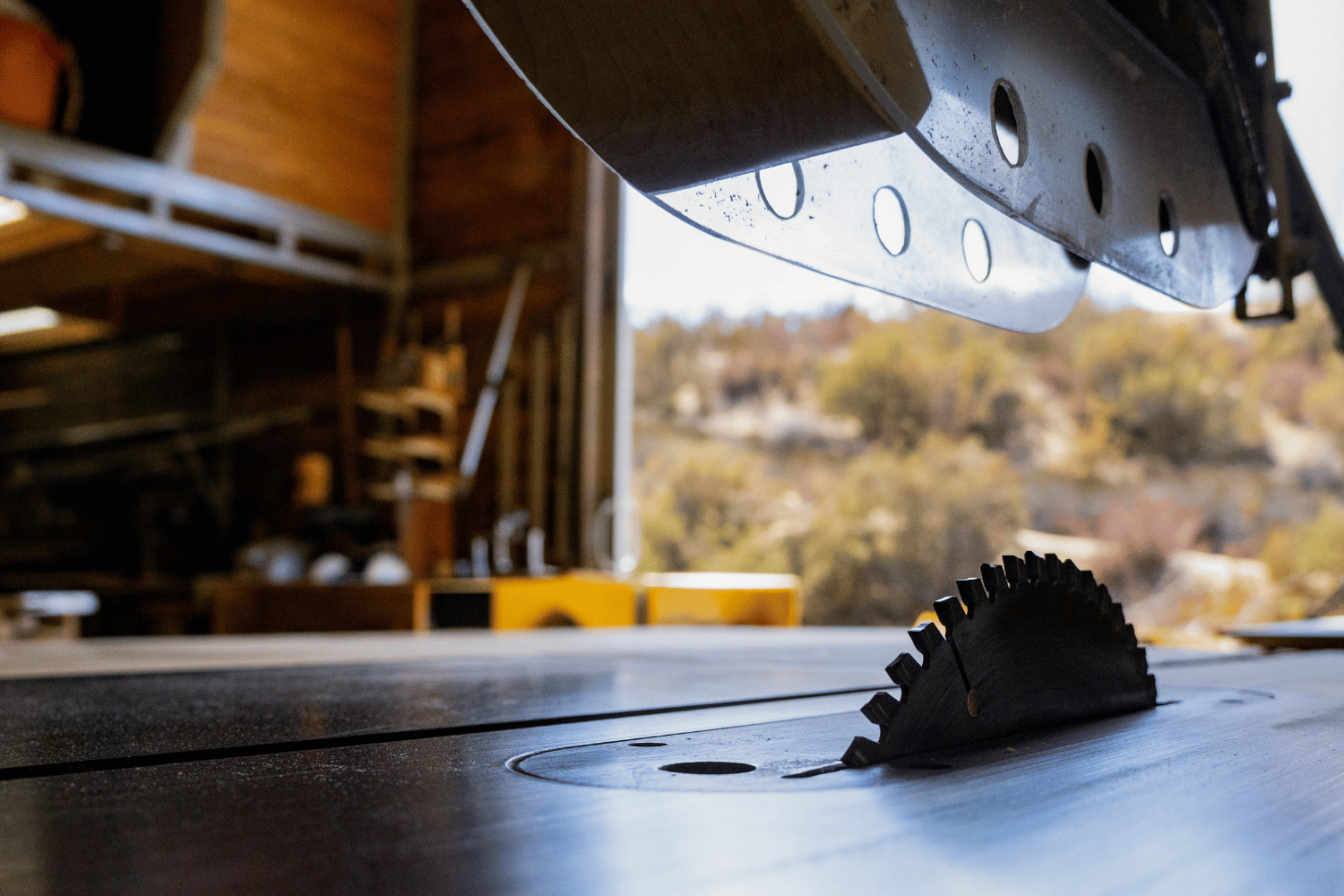
On the other hand, a table saw is a stationary tool with a circular blade protruding through a flat surface or table. It offers stability and a large cut capacity, making it suitable for a wide range of woodworking projects.
Selecting the appropriate tool for a woodworking project is crucial. It can greatly impact the quality of your work, your efficiency, and even your safety. Each tool has its own strengths and limitations, which is why it’s important to understand their differences and choose wisely.
The purpose of this article is to compare the track saw and table saw, exploring their features, advantages, and limitations. By understanding the distinctions between these two tools, you’ll be better equipped to make an informed decision based on your specific needs and woodworking tasks. So, let’s delve into the world of table and track saws and discover which one suits your projects best.
Overview of a Track Saw
Definition and Basic Features of a Track Saw
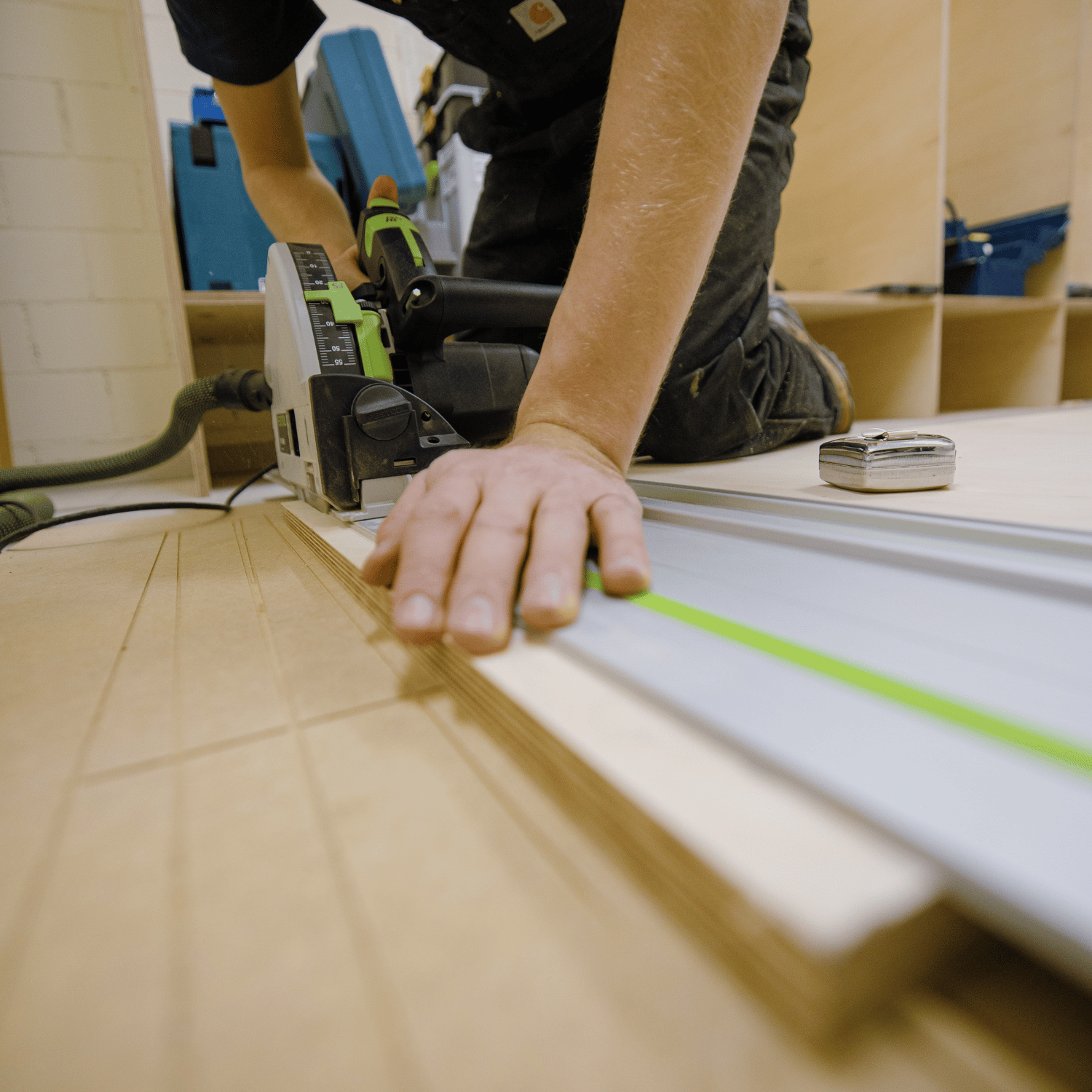
Let’s begin by exploring the track saw in more detail. A track saw, also known as a plunge saw, is a versatile cutting tool that operates on a track or guide rail. It consists of a circular saw blade that can be adjusted to plunge into the material, allowing for precise and controlled cuts.
The track or guide rail serves as a straight path for the saw, ensuring accurate cuts and eliminating the need for additional measuring and marking. This feature makes the track saw an excellent choice for tasks that require long, straight cuts.
Advantages of Using a Track Saw
Portability and Ease of Transportation
One of the standout advantages of a track saw is its portability. Unlike most table saws, which are typically stationary, track saws are designed to be lightweight and easy to transport, and typically come with their own track. This makes them a fantastic option for carpenters or woodworkers who frequently work on different job sites or have limited workspace.
Precise and Straight Cuts
The track saw’s ability to run along a guide rail offers unparalleled precision. The track serves as a reliable reference point, allowing for straight and accurate cuts even on large workpieces. This precision is especially valuable when working with materials like plywood, where clean and splinter-free cuts are crucial.
Versatility in Cutting Different Materials
Track saws are not limited to specific types of materials. They can effectively cut through various materials, including plywood, MDF, solid wood, and even non-ferrous metals. This versatility makes track saws suitable for a wide range of woodworking projects, from cabinetry and furniture making to flooring installation.
Limitations of a Track Saw
Restricted Cutting Capacity
While a track saw excels in delivering precise cuts, its cut capacity is generally limited compared to a table saw. Track saws are typically designed for cutting sheet goods and materials of moderate thickness. If you frequently work with thick hardwood or require deep cuts, a track saw may not be the most suitable choice.
Limited in Certain Woodworking Tasks
Track saws have their strengths, but they may not be the ideal tool for every woodworking task. For instance, when it comes to making intricate joinery, such as dados or tenons, a track saw might not offer the same level of precision and efficiency as a table saw. Additionally, track saws may have limitations when it comes to specialized cuts like bevels or compound angles.
Understanding the advantages and limitations of a track saw is essential in determining if it aligns with your woodworking needs. Now that we’ve explored the track saw, let’s move on to the next section and delve into the world of table saws to get a comprehensive understanding of both tools.

Overview of a Table Saw
Definition and Basic Features of a Table Saw
Now, let’s turn our attention to the table saw, another powerhouse tool in the woodworking realm. A table saw is a stationary tool consisting of a flat surface or table with a circular saw blade protruding through it. It offers stability, power, and a wide range of cutting capabilities.
The blade height and angle can be adjusted, allowing for different types of cuts, including rip cuts (parallel to the grain), crosscuts (perpendicular to the grain), miter cuts (angled cuts), and bevel cuts (angled edges).
Advantages of Using a Table Saw
Large Cut Capacity
One of the notable advantages of a table saw is its substantial cut capacity. With a table saw, you can tackle projects that involve cutting thick hardwood, large panels, or wide boards with relative ease. This feature is particularly valuable in woodworking tasks that require substantial material removal or working with oversized pieces. The cutting depth can typically be adjusted by moving the blade up and down relative to the table.
Stability and Support for Large Workpieces
Cabinet table saws provide a sturdy and reliable work surface for handling larger workpieces. The table and the built-in fence system provide excellent stability and support, ensuring accurate and controlled cuts. This stability is especially advantageous when dealing with heavy or cumbersome materials, as it minimizes the risk of inaccuracies or accidents when cutting a straight edge.
Ability to Make Various Cuts and Angles
A table saw is highly versatile when it comes to making different types of cuts and angles. Whether you need to create intricate joinery, beveled edges, or angled crosscuts, a table saw can be adjusted to meet those requirements. The precision and repeatability of the table saw’s miter gauge adjustments enable consistent results, making it a favorite tool among many woodworkers.
Limitations of a Table Saw
Requires Dedicated Workspace
Unlike track saws, most table saws are stationary tools that require a dedicated workspace. They occupy a significant amount of floor space and may necessitate additional considerations such as dust collection systems and safety precautions. If you have limited space or need portability, a table saw may pose challenges in terms of setup and storage.
Less Portable Compared to a Track Saw
A table saw is designed to be sturdy and heavy, which means it lacks the portability of a track saw. Once set up, they are typically meant to remain in place. Moving a table saw from one location to another can be a cumbersome task, making it less convenient for on-site or mobile woodworking projects.
Understanding the benefits and limitations of a table saw is crucial in determining if it aligns with your woodworking needs and available workspace. By considering these aspects, you’ll be better equipped to make an informed decision between a track saw and a table saw for your specific projects.
Key Differences: Table Saw vs Track Saw
Now that we have explored the individual characteristics of track saws and table saws, let’s delve into the key differences that set these two woodworking tools apart. By understanding these distinctions, you’ll be better equipped to make an informed decision when choosing between a track saw and a table saw.
Cutting Mechanism and Operation
The cutting mechanisms and operation of track saws and table saws differ significantly. A track saw operates by running along a guide rail, allowing for precise and straight cuts. On the other hand, a table saw utilizes a fixed blade that protrudes through a flat surface or table, enabling versatile cutting options, including bevels, angles, and intricate joinery.
Portability and Flexibility
When it comes to portability and flexibility, a track saw takes the lead. It is designed to be lightweight and portable, making it ideal for woodworkers who need to work on different job sites or have limited workspace. In contrast, a table saw is typically heavy and stationary, requiring a dedicated workspace. While table saws offer stability, they lack the convenience of mobility that track saws provide.
Cut Capacity and Versatility
A track saw excels in providing precise cuts, but its cut capacity is generally limited compared to a table saw. It is best suited for cutting sheet goods and materials of moderate thickness. A table saw, on the other hand, boasts a larger capacity, allowing you to work with thicker hardwood and handle larger workpieces. Additionally, a table saw offers greater versatility when it comes to making various types of cuts and angles, making it a popular choice for woodworking projects that require intricate details and joinery work.
Safety Considerations
Safety should always be a top priority in woodworking. When comparing a track saw and a table saw, it’s important to consider the safety features and potential risks associated with each tool. Both tools have their own set of safety considerations. Most track saws are considered safer due to their plunge action, which keeps the blade concealed until it engages with the material. Table saws, however, require caution due to the exposed blade and the potential for kickbacks. Proper training, protective measures, and adherence to safety guidelines are essential regardless of which tool you choose.
Price Range and Affordability
Price range and affordability can also influence your decision between a track saw and a table saw. Generally, a track saw is more affordable and offers a cost-effective solution, especially for those starting out or with budget constraints. A table saw, being a more complex and stationary tool, tends to be pricier. However, it often comes with advanced features and larger cutting capacities, making it a long-term investment for serious woodworking enthusiasts and professionals.
By considering these key differences, including cutting mechanism, portability, cut capacity, safety considerations, and price range, you’ll be better equipped to choose the tool that aligns with your woodworking needs, budget, and workspace constraints. Evaluating these factors will help you make a well-informed decision that leads to successful woodworking projects.

Choosing the Right Tool for the Job
When it comes to selecting between a track saw and a table saw, it’s important to consider several factors that will help you determine the right tool for your specific woodworking tasks. By carefully evaluating these aspects, you can make an informed decision that enhances your project outcomes and overall woodworking experience.
Factors to Consider when Selecting a Track Saw or Table Saw
Types of Woodworking Projects
Consider the nature of the woodworking projects you commonly undertake. Are you primarily working with sheet goods and materials of moderate thickness? Or do your projects involve thicker hardwood or intricate joinery work? Understanding the typical scope and requirements of your projects will help you identify which tool is better suited to meet your specific needs.
Available Workspace
Evaluate the amount of workspace you have in your woodworking area. A track saw is portable and requires minimal space, making it a practical choice for those with limited workshop areas or those who need to work on different job sites. A table saw, on the other hand, is a stationary tool that demands a dedicated workspace due to its size and setup requirements. Ensure that you have sufficient room for the tool you choose.
Mobility Requirements
Consider the level of mobility you require from your woodworking tool. If you need a tool that can be easily transported to different locations or if you frequently work on-site or in different workshops, a track saw’s portability makes it an attractive option. Conversely, if you primarily work in a fixed location and don’t need to move your tool often, a table saw’s stationary nature may not pose a significant concern.
Budget Constraints
Factor in your budget when making a decision between a track saw and a table saw. A track saw is generally more affordable and offers a cost-effective solution, making it a suitable choice for beginners or those with limited financial resources. A table saw, however, tends to be pricier due to its larger cutting capacities and advanced features. Assess your budget and invest in a tool that aligns with your financial considerations.
Examples of Scenarios Where a Track Saw or Table Saw would be More Suitable
Track Saw:
- Installing flooring materials that require precise cuts on-site.
- Working in a small workshop with limited space.
- Undertaking projects that involve cutting sheet goods like plywood and MDF.
- Needing portability for job site or mobile woodworking projects.
Table Saw:
- Handling projects that involve thick hardwood or large workpieces.
- Making intricate joinery, bevel cuts, or angled cross cuts.
- Working in a dedicated workshop with ample space.
- Requiring a tool that offers stability, support, and a larger cut capacity.
By carefully assessing these factors and considering the specific scenarios where a track saw or table saw would be more suitable, you can make an educated decision that enhances your woodworking capabilities and ensures successful project outcomes.
Remember, there is no one-size-fits-all solution. It’s important to evaluate your individual needs, project requirements, and available resources to choose the tool that best aligns with your woodworking goals.
Final Thoughts
After exploring the track saw vs table saw debate, it’s clear that each tool offers unique advantages and limitations. Let’s recap the key differences and considerations to help you make an informed decision when choosing between a track saw and a table saw.
- Cutting Mechanism: Track saws operate on a guide rail for precise straight cuts, while table saws offer versatility in making various types of cuts and angles.
- Portability and Flexibility: Track saws are lightweight and portable, ideal for those who require mobility, while table saws are stationary and provide stability and support for larger workpieces.
- Cut Capacity and Versatility: Track saws excel in precise cuts but have limited cut capacity, whereas table saws offer a larger cutting capacity and versatility for complex woodworking tasks.
- Safety Considerations: Both tools have safety considerations, with track saws generally considered safer due to their plunge action, while table saws require caution due to exposed blades and potential kickbacks.
- Price Range and Affordability: Track saws are more affordable, making them suitable for budget-conscious woodworkers, while table saws offer advanced features but come at a higher price.
It is crucial to evaluate your individual needs and project requirements when selecting the appropriate tool. Consider the types of woodworking projects you undertake, the available workspace you have, your mobility requirements, and your budget constraints. By carefully assessing these factors, you can choose a tool that aligns with your specific needs and enhances your woodworking experience.
Ultimately, the choice between a track saw and a table saw depends on your unique circumstances. If you primarily work with sheet goods, require portability, or have limited workspace, a track saw may be the ideal choice for you. On the other hand, if you handle larger workpieces, intricate joinery, or have a dedicated workshop, a table saw may better suit your needs.
Consider investing in quality brands and models that offer the features and capabilities you require. Additionally, prioritize safety by following proper usage guidelines, employing protective measures, and receiving appropriate training.
Remember, both track saws and table saws are valuable tools in the woodworking arsenal. Each has its own strengths and limitations. By carefully evaluating your needs, understanding the key differences, and considering the factors outlined in this article, you can confidently select the appropriate tool that empowers you to achieve outstanding results in your woodworking endeavors. In the end, you may even need both.